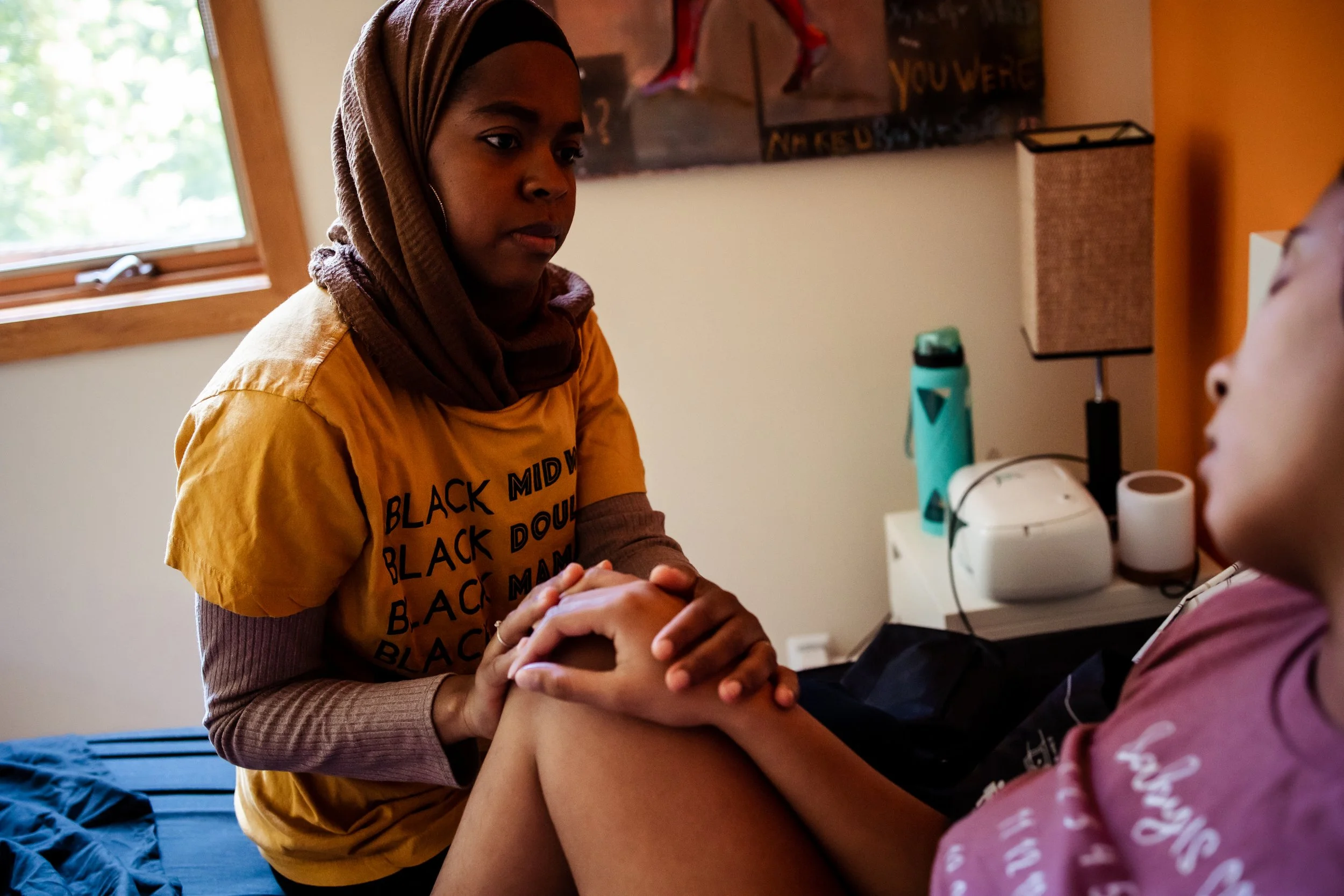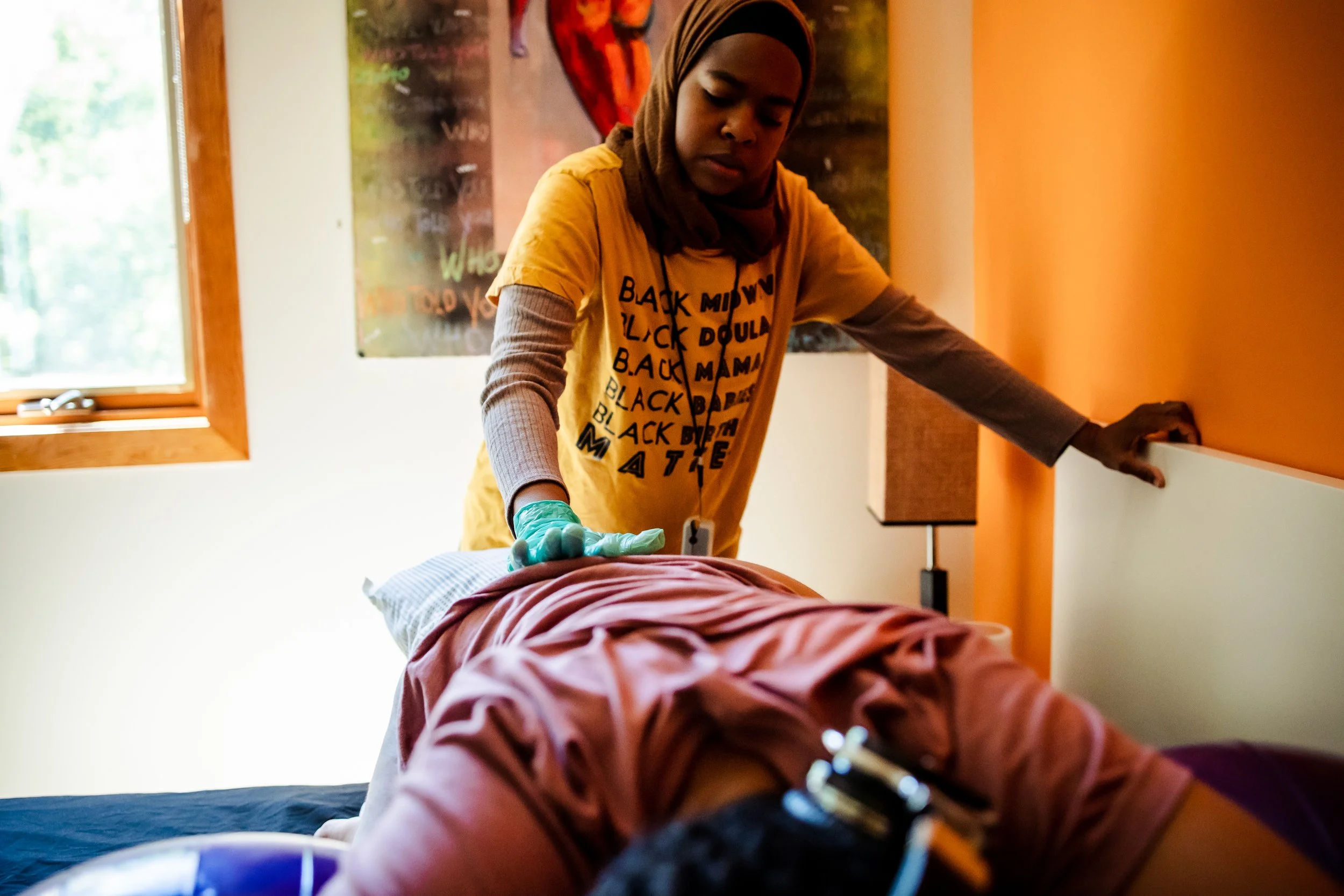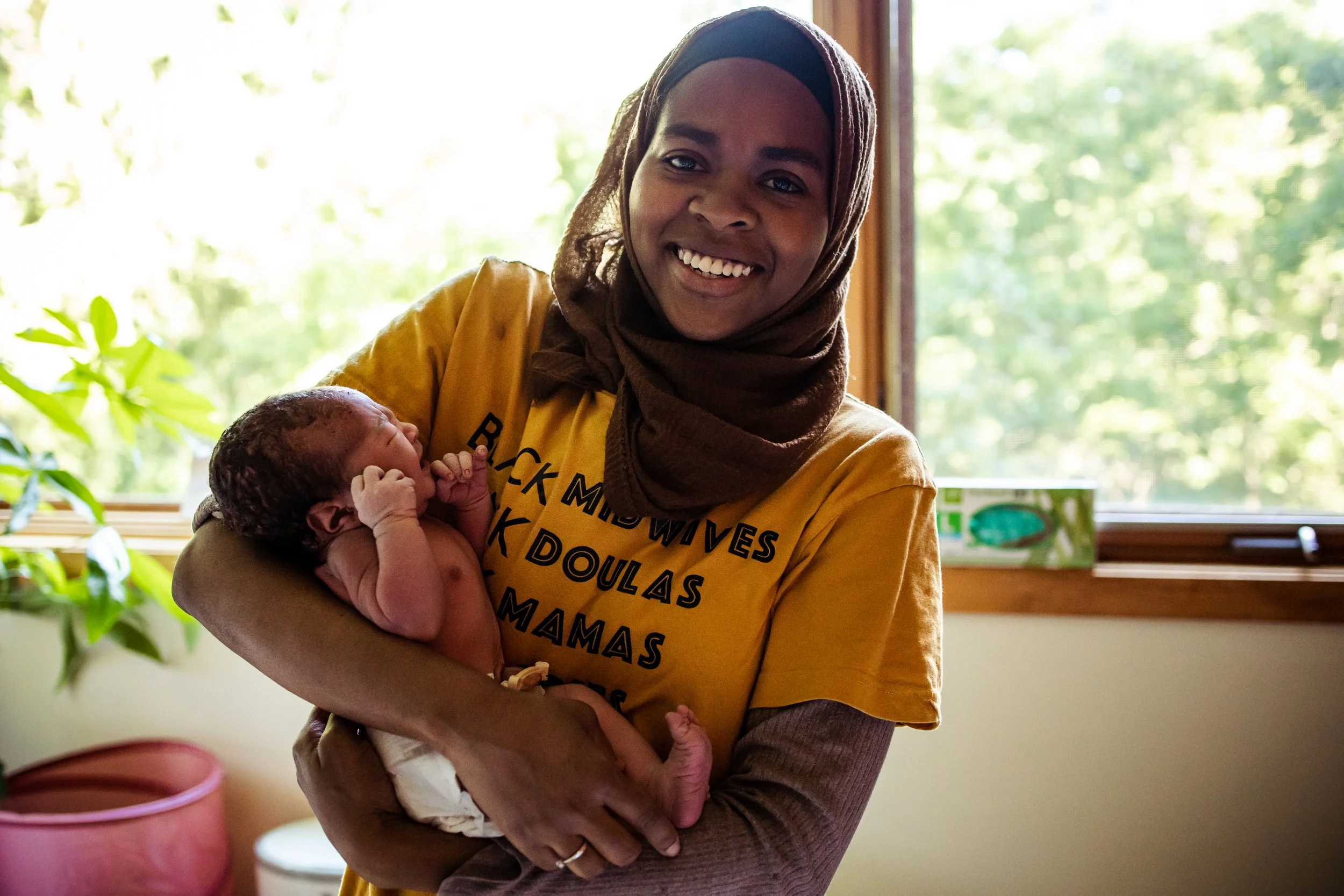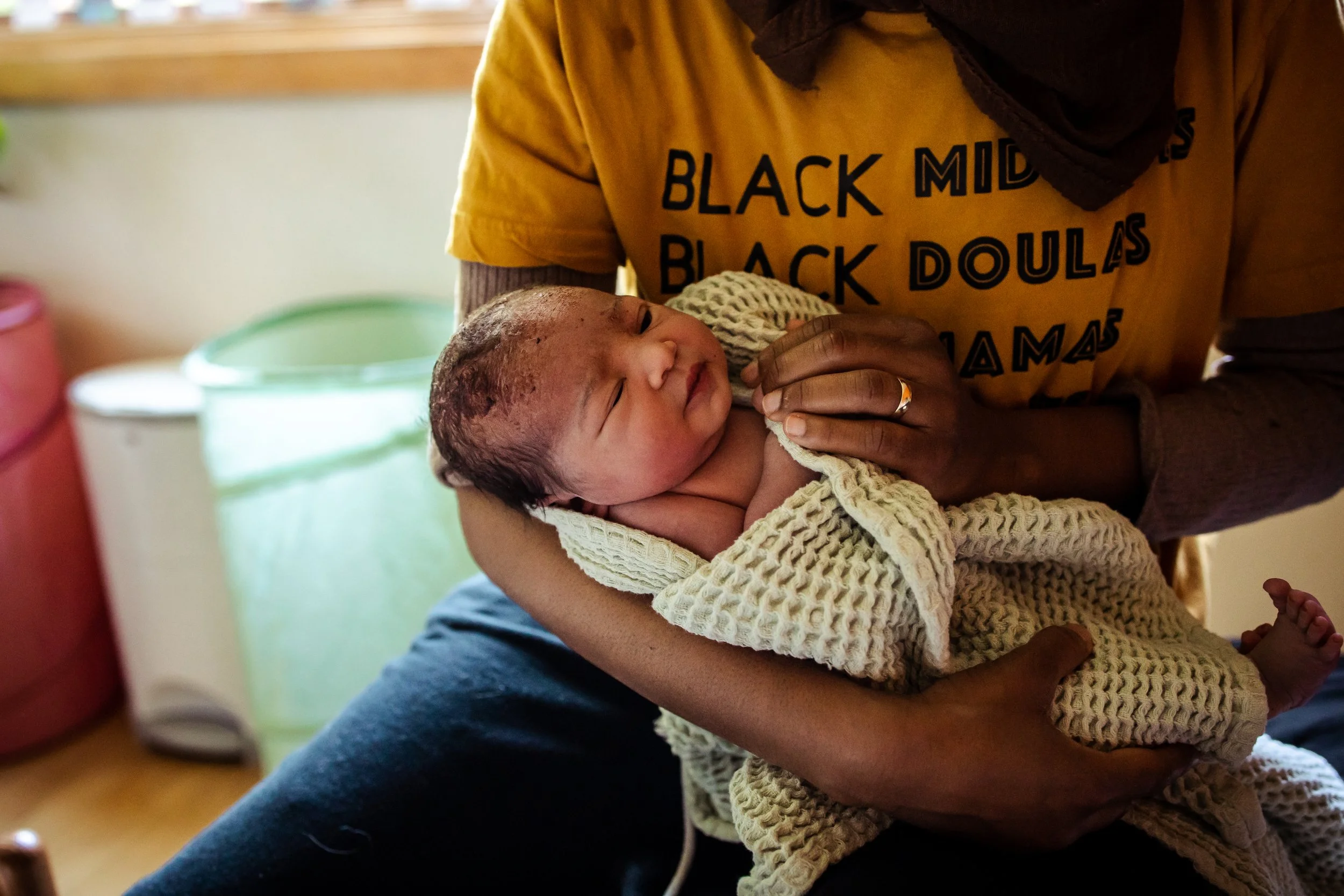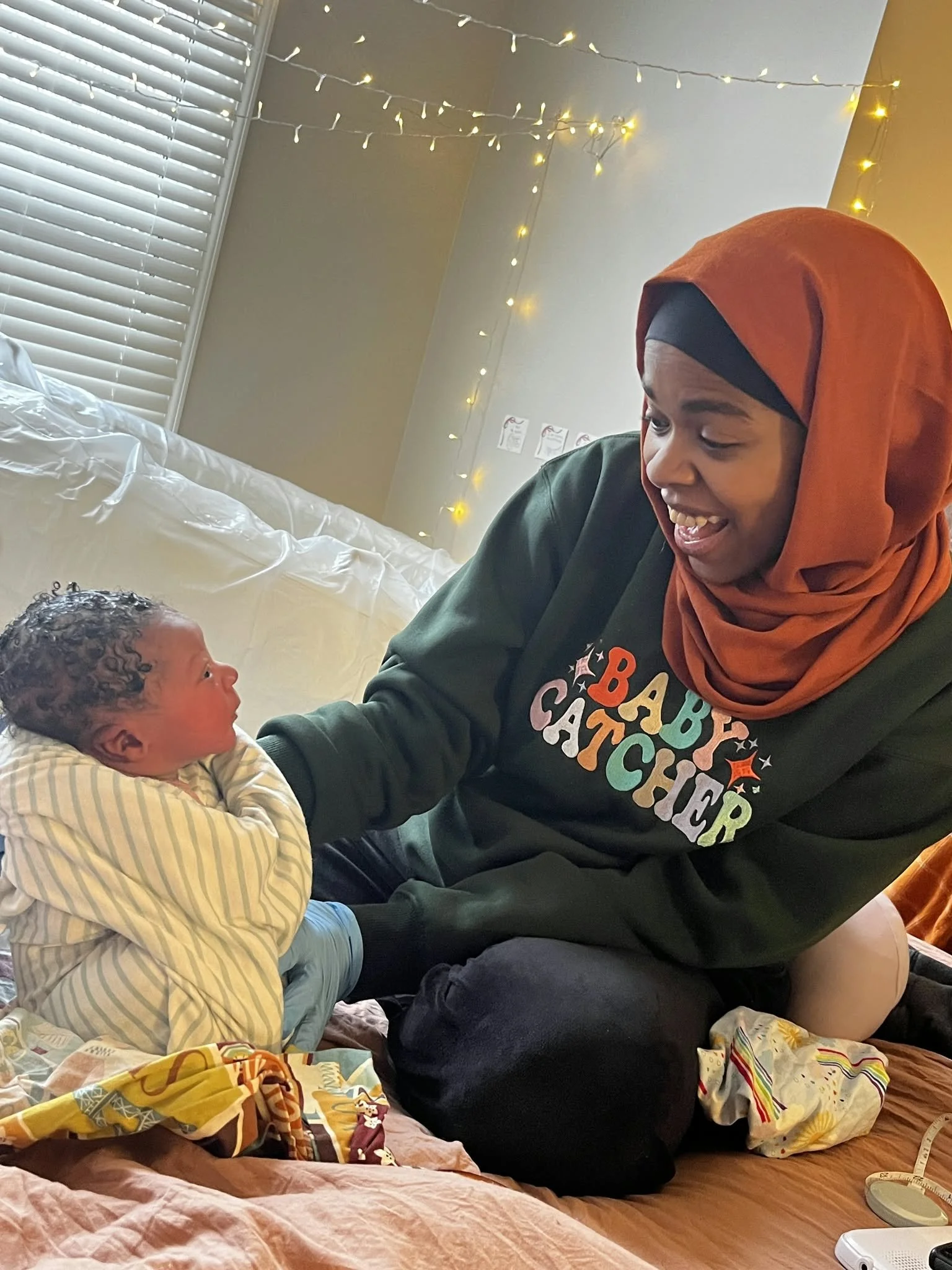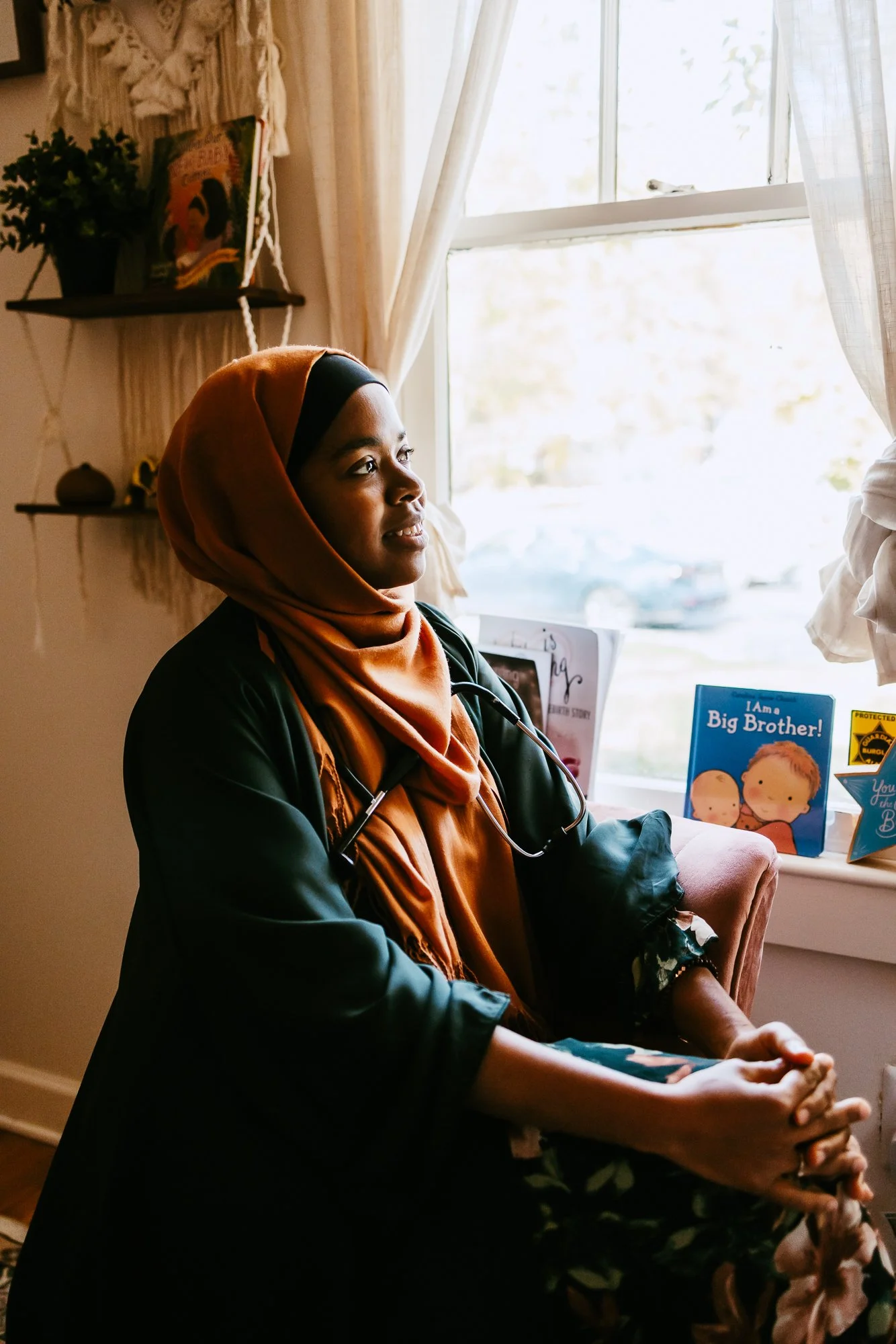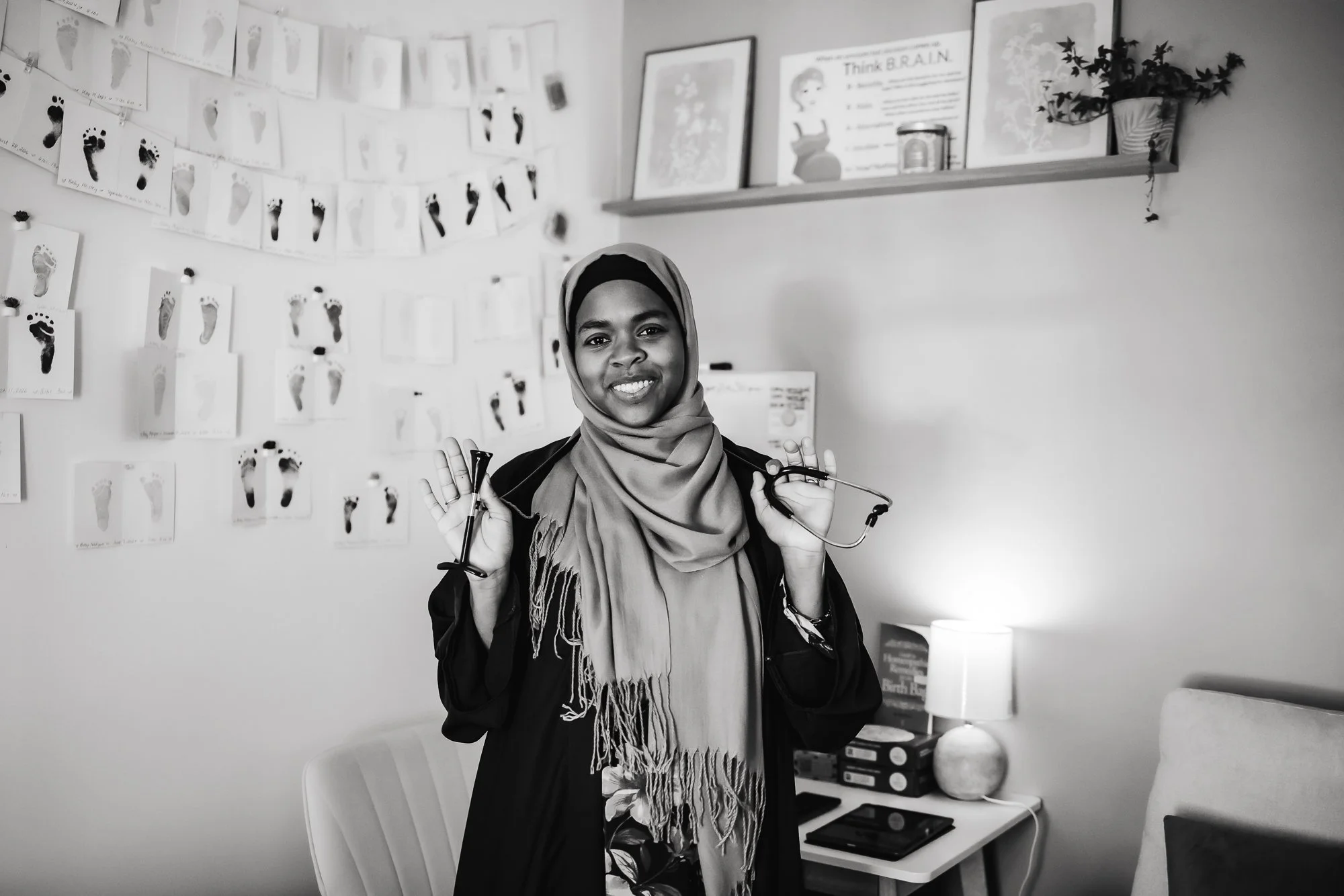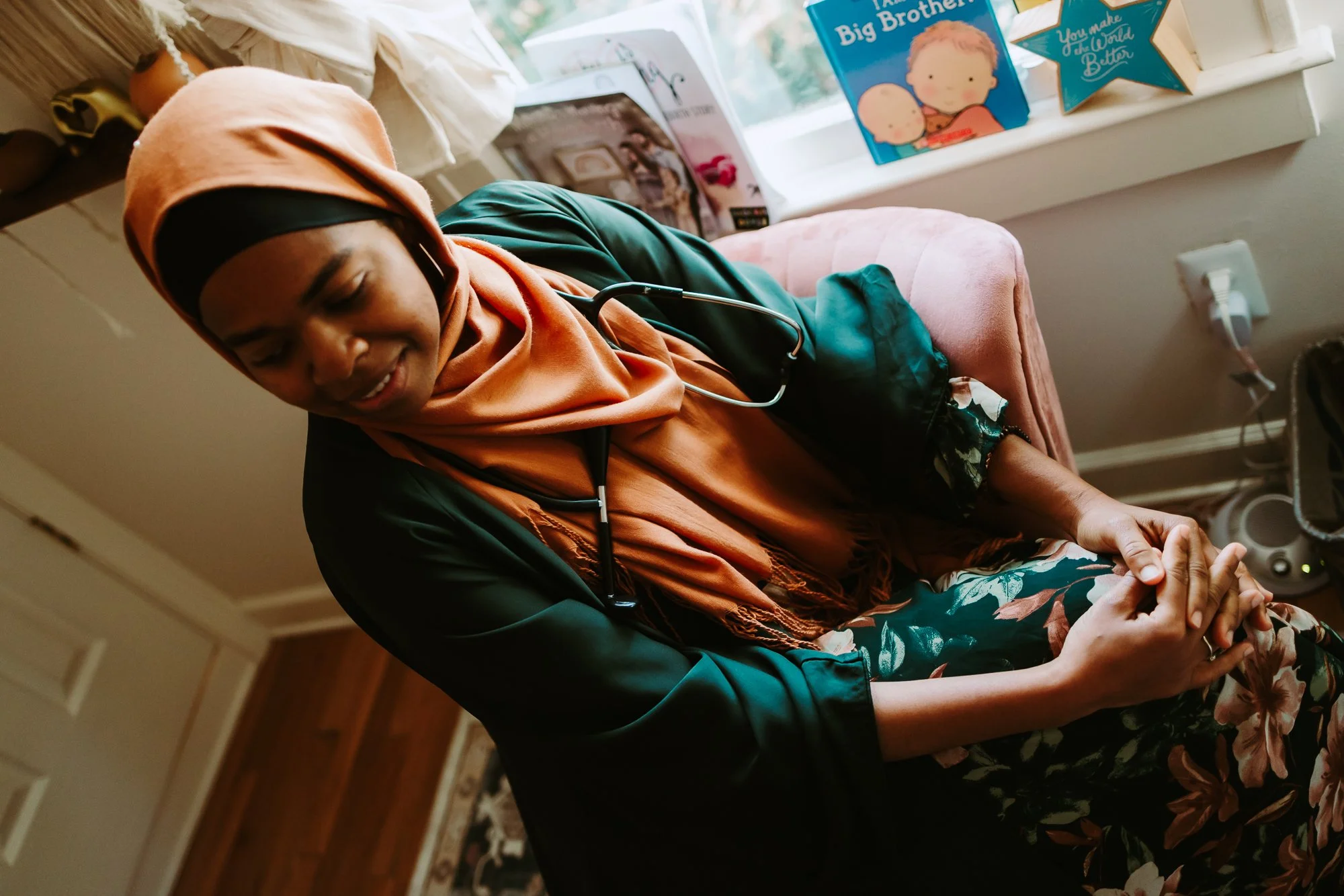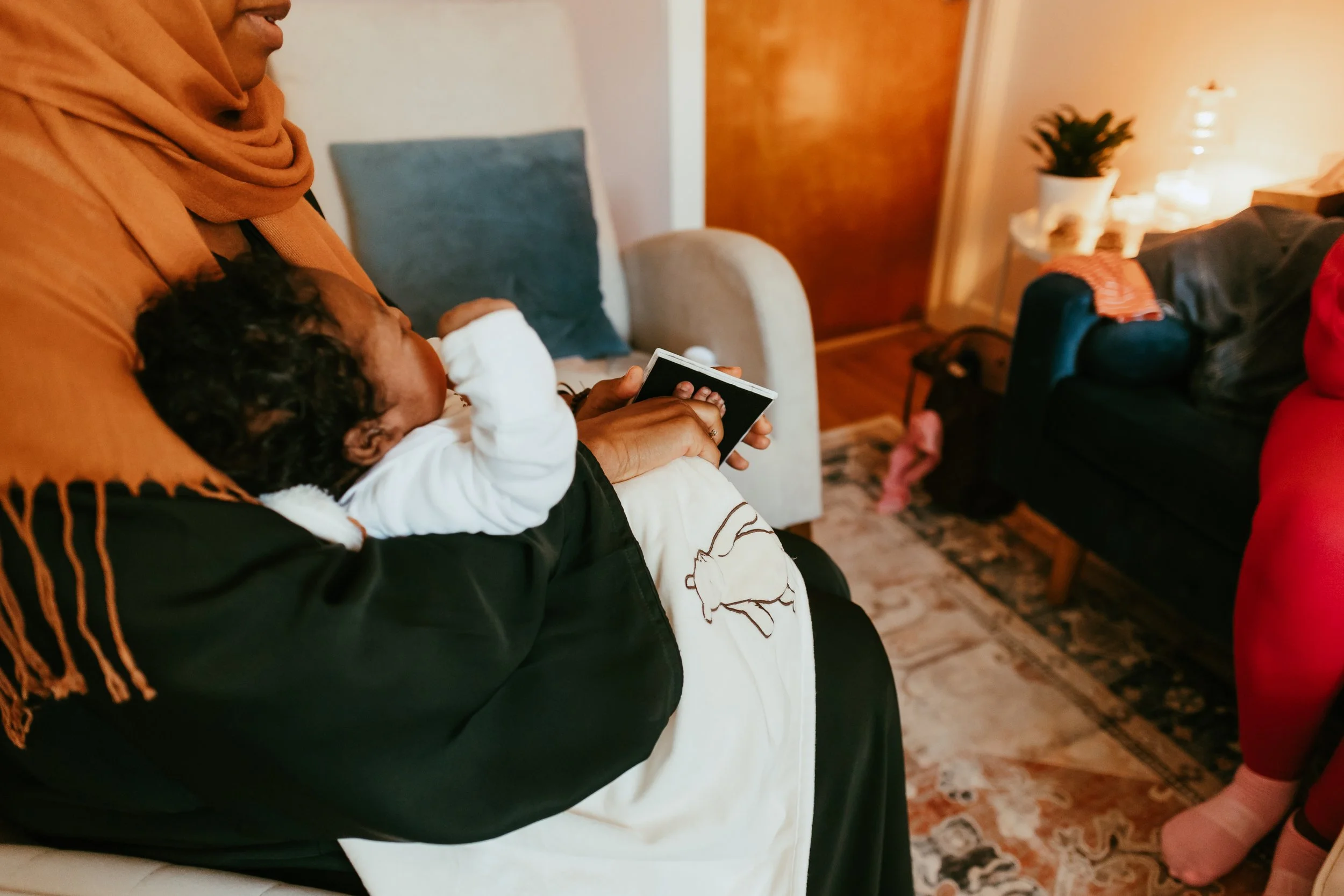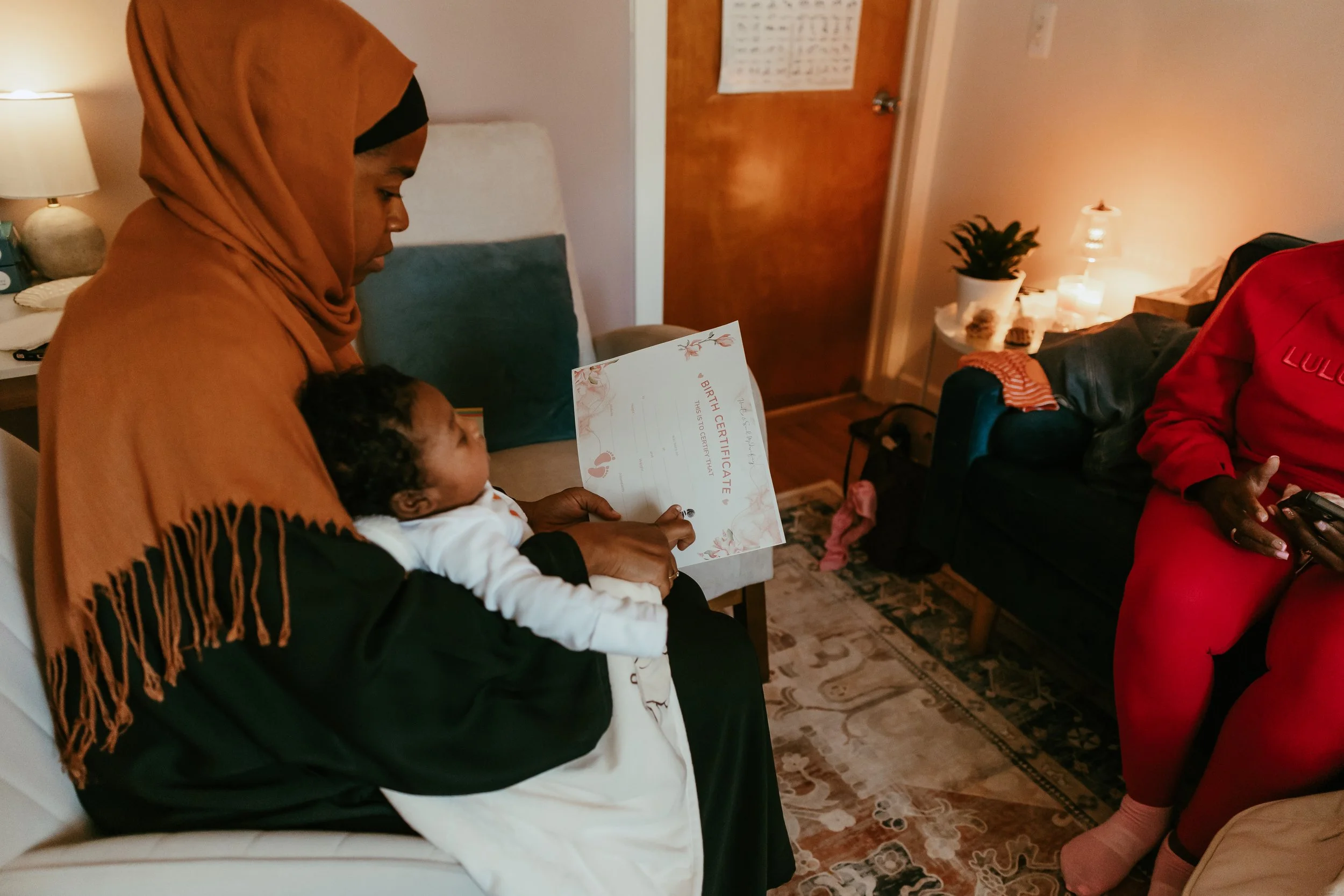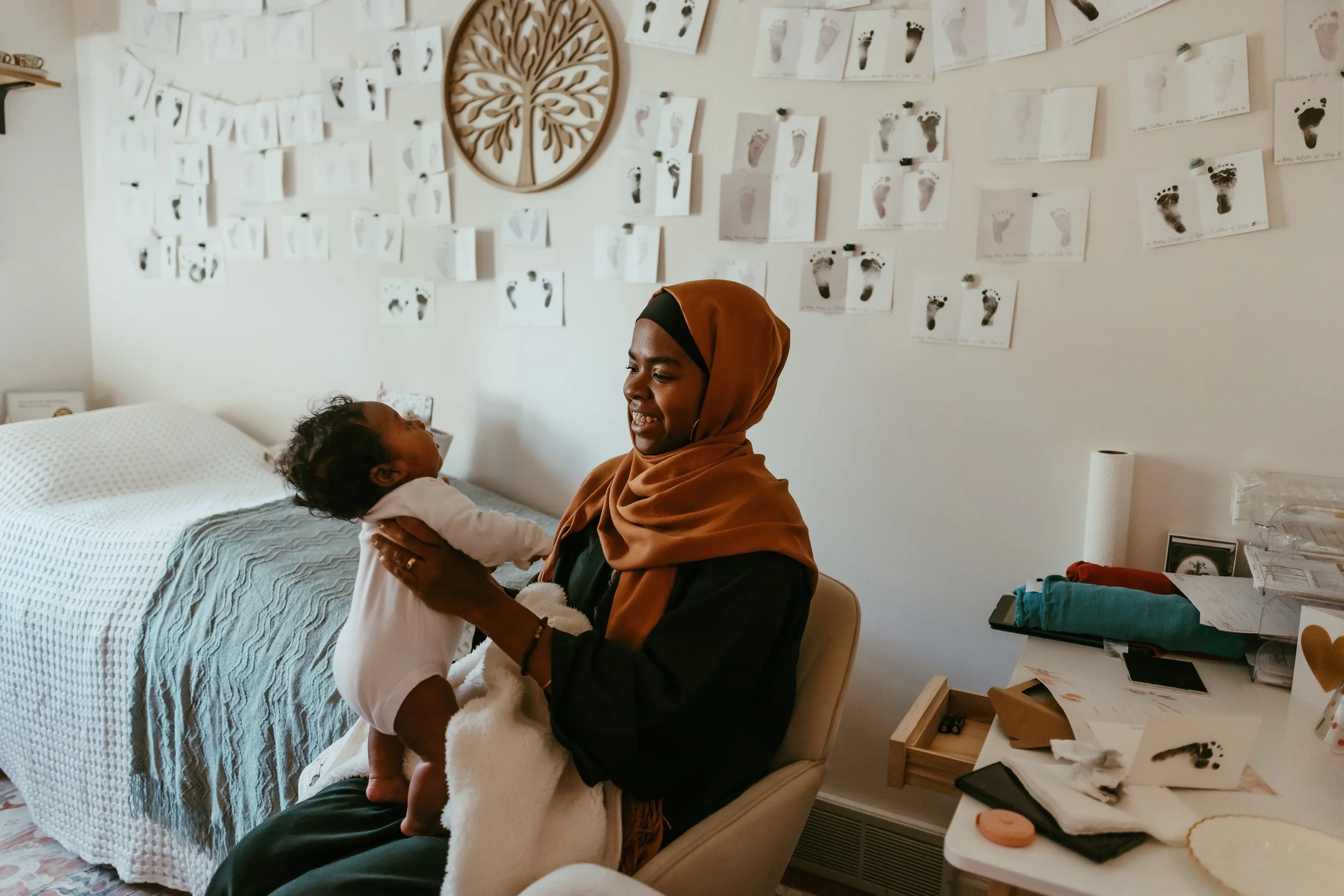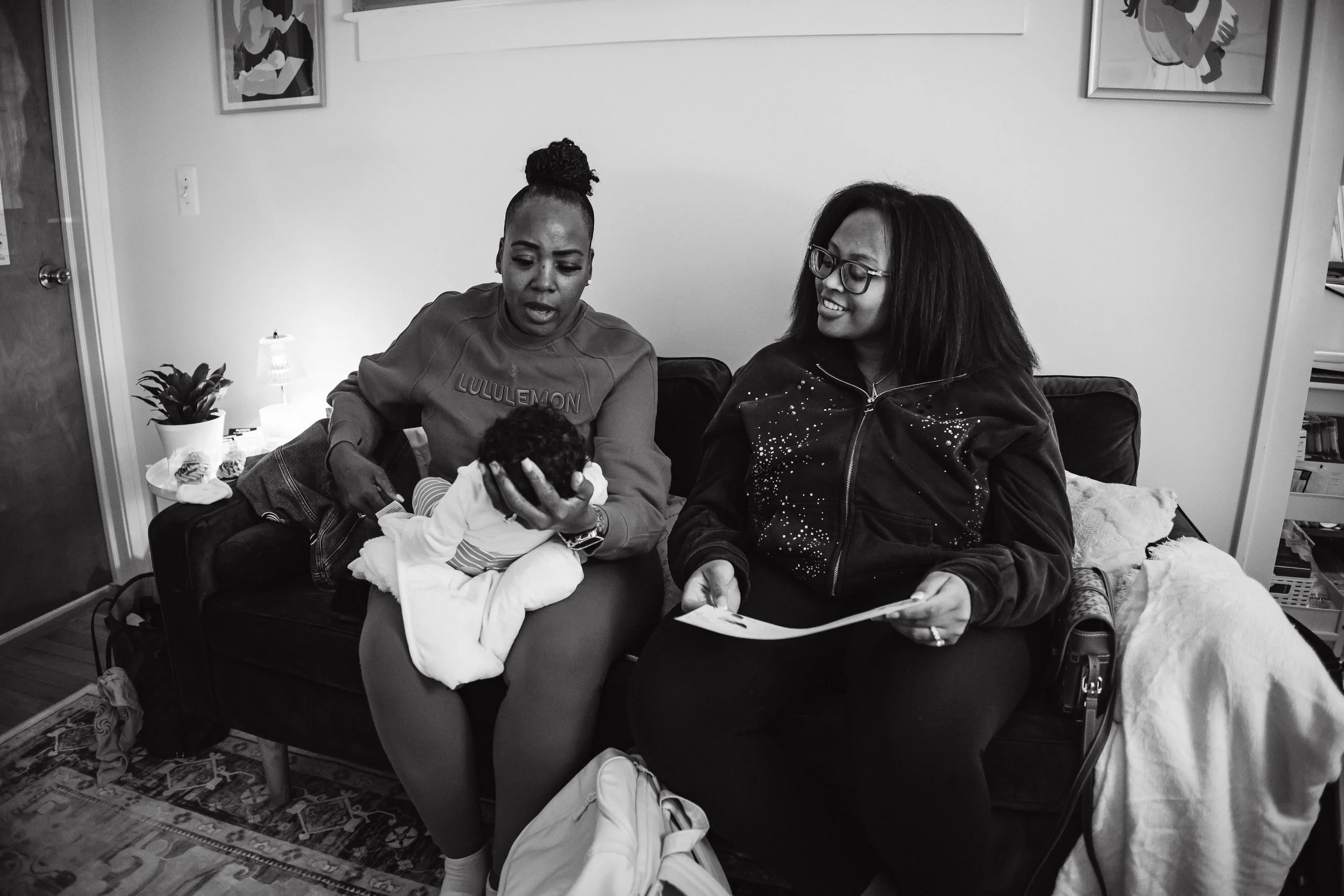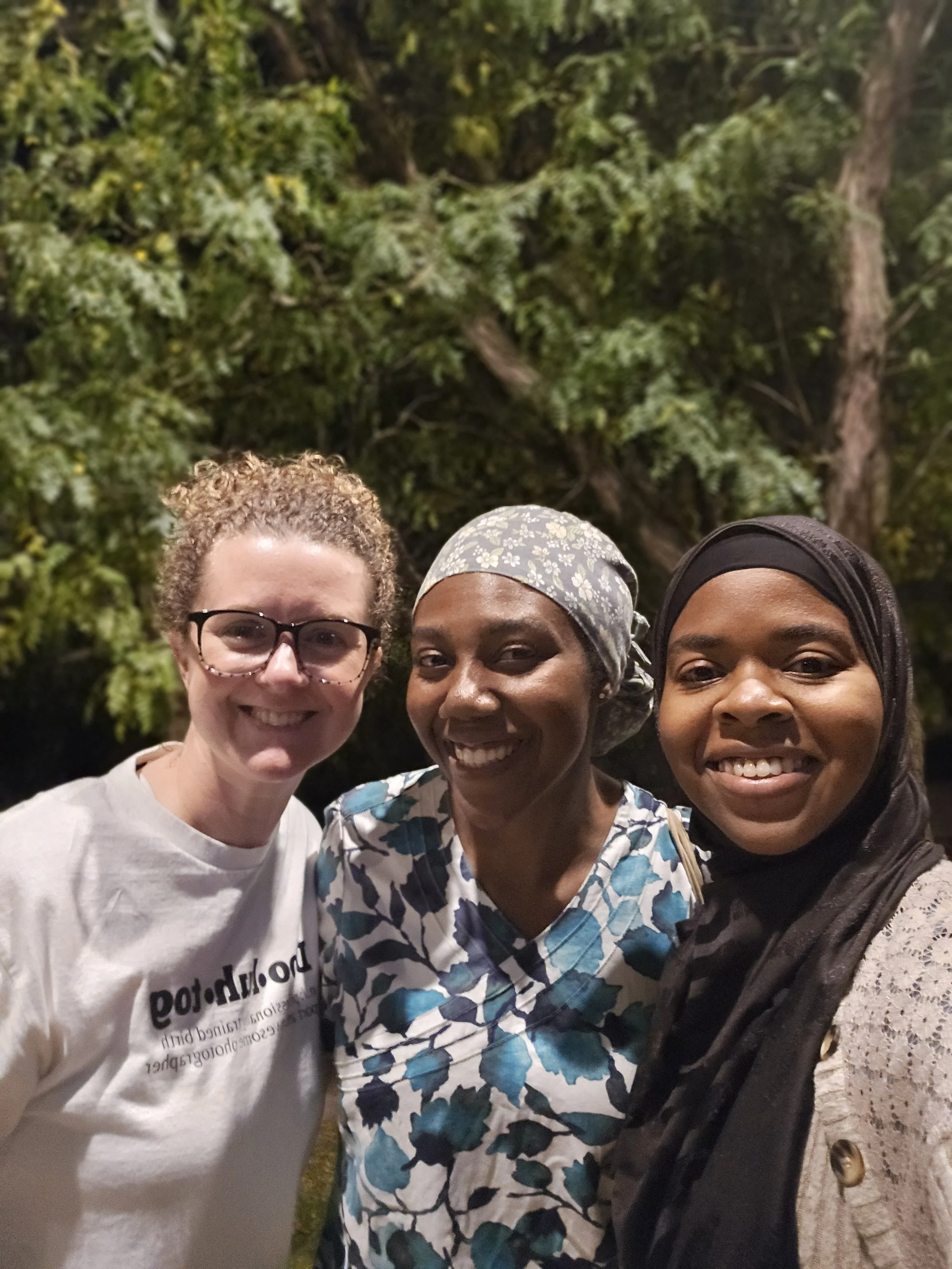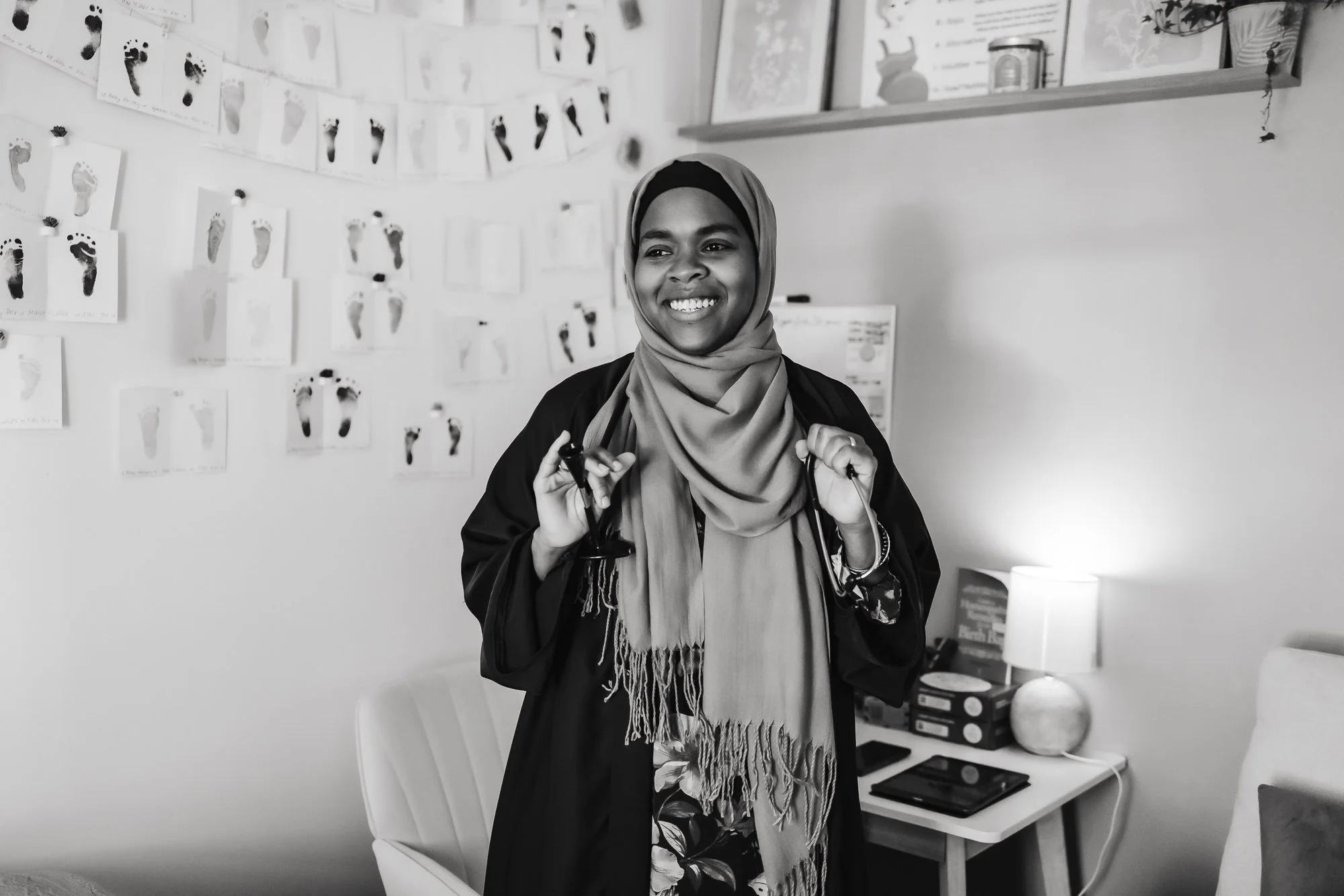
About Khadijah
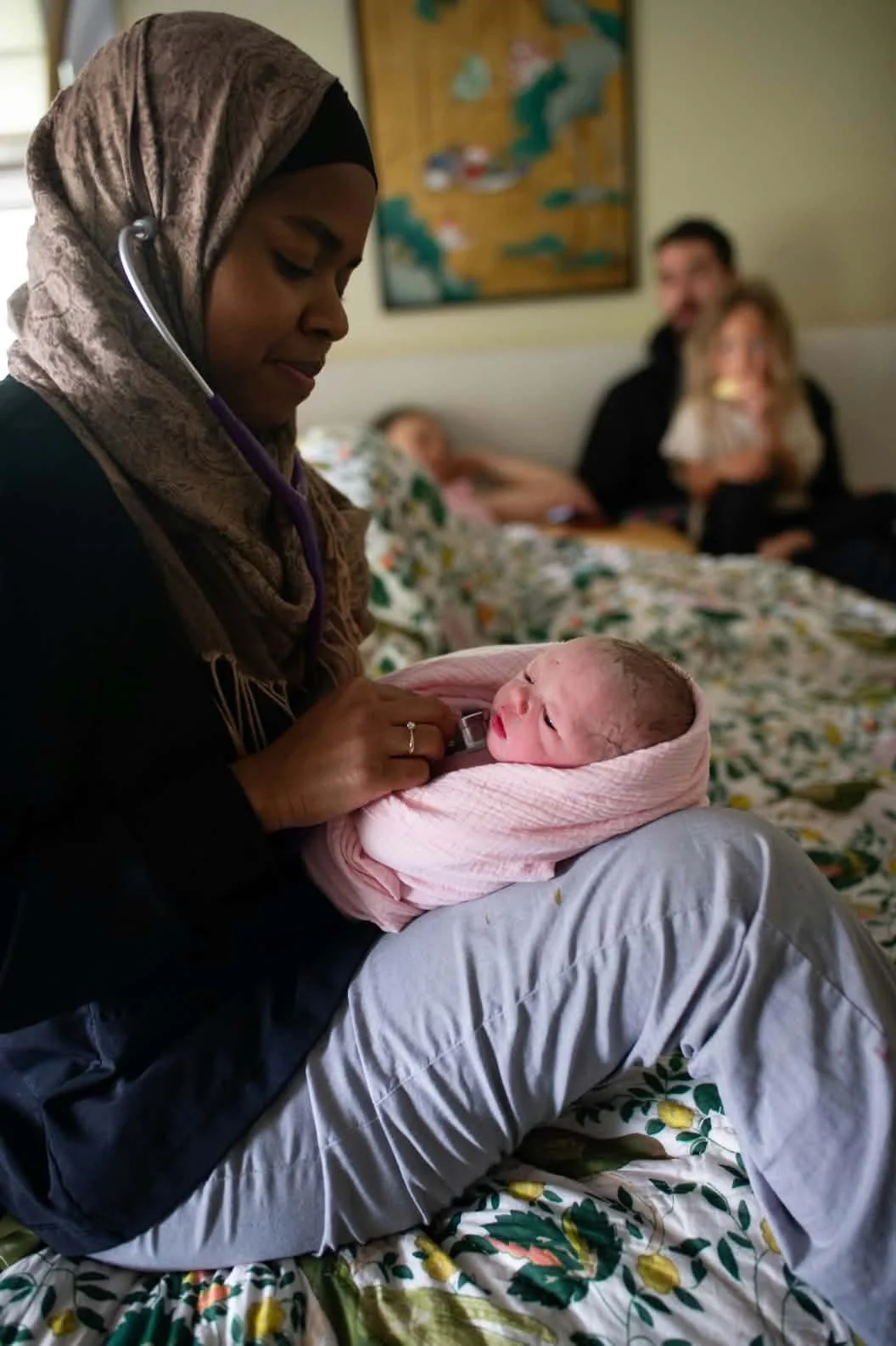
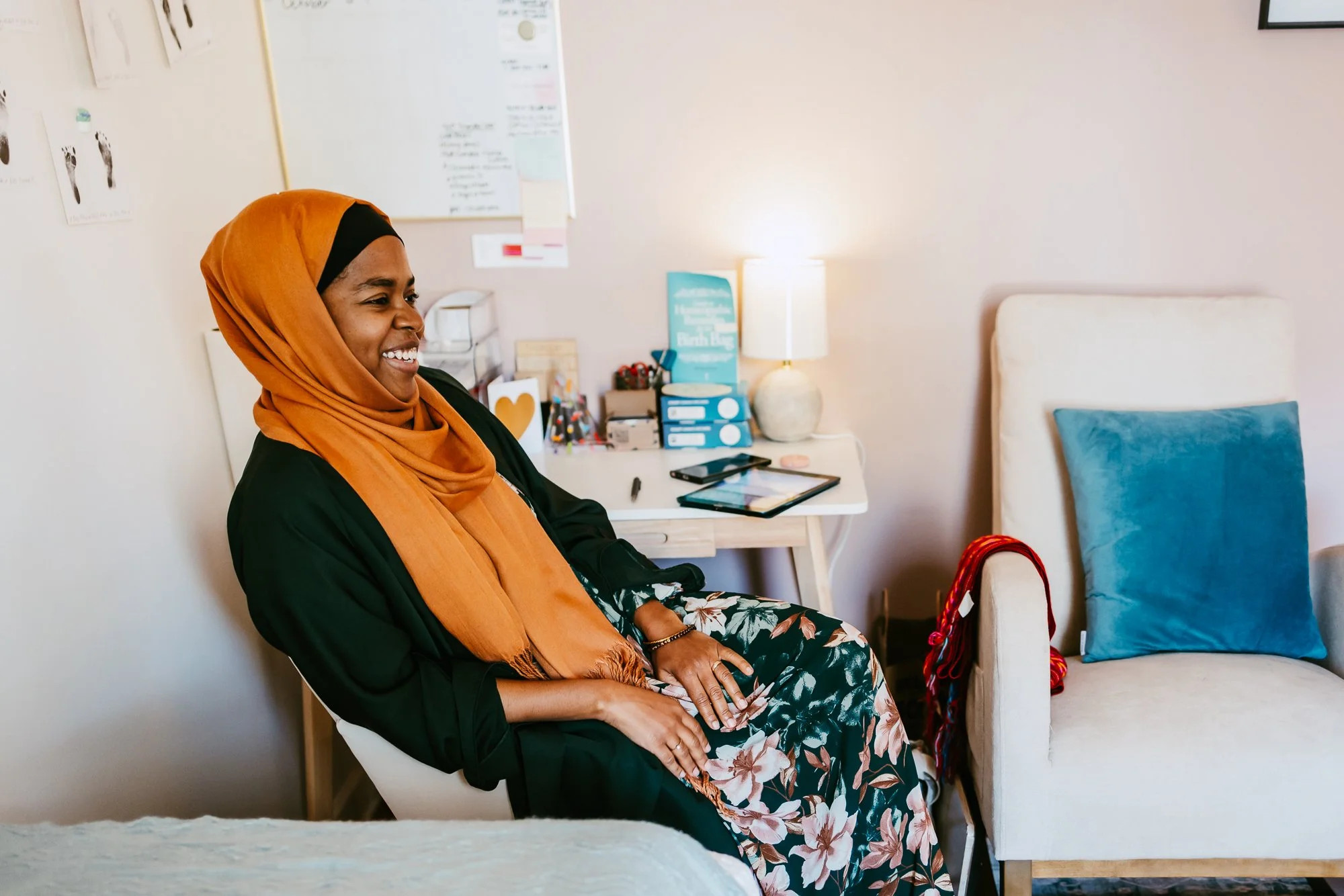
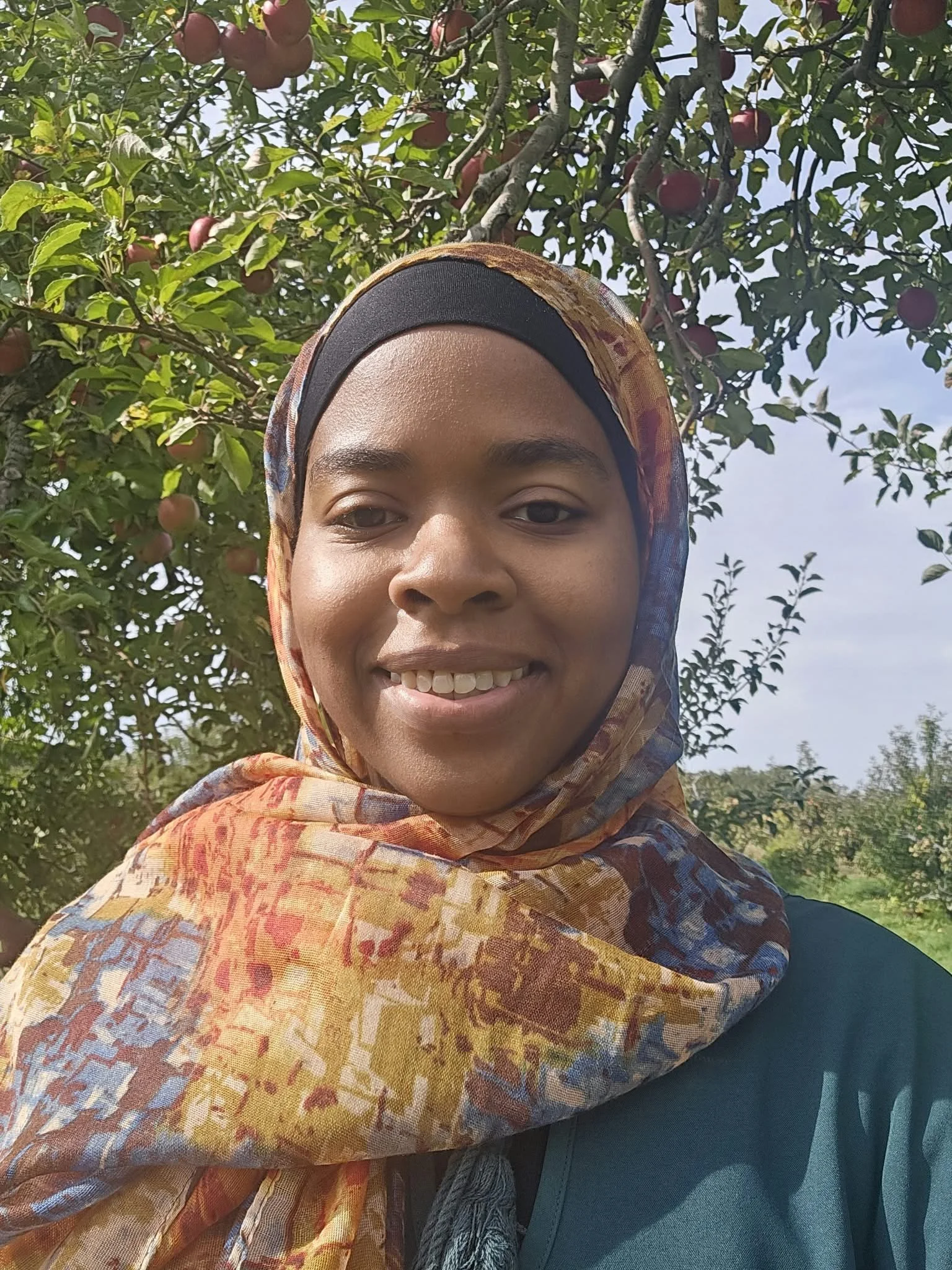
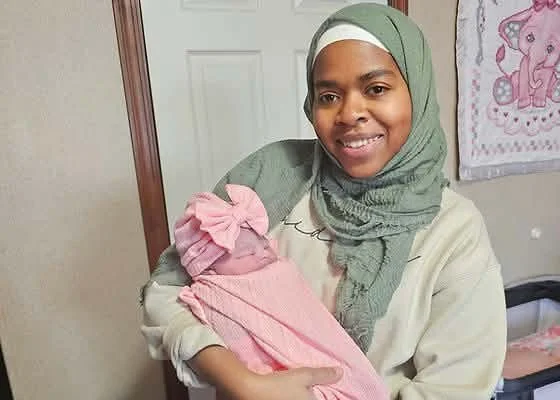
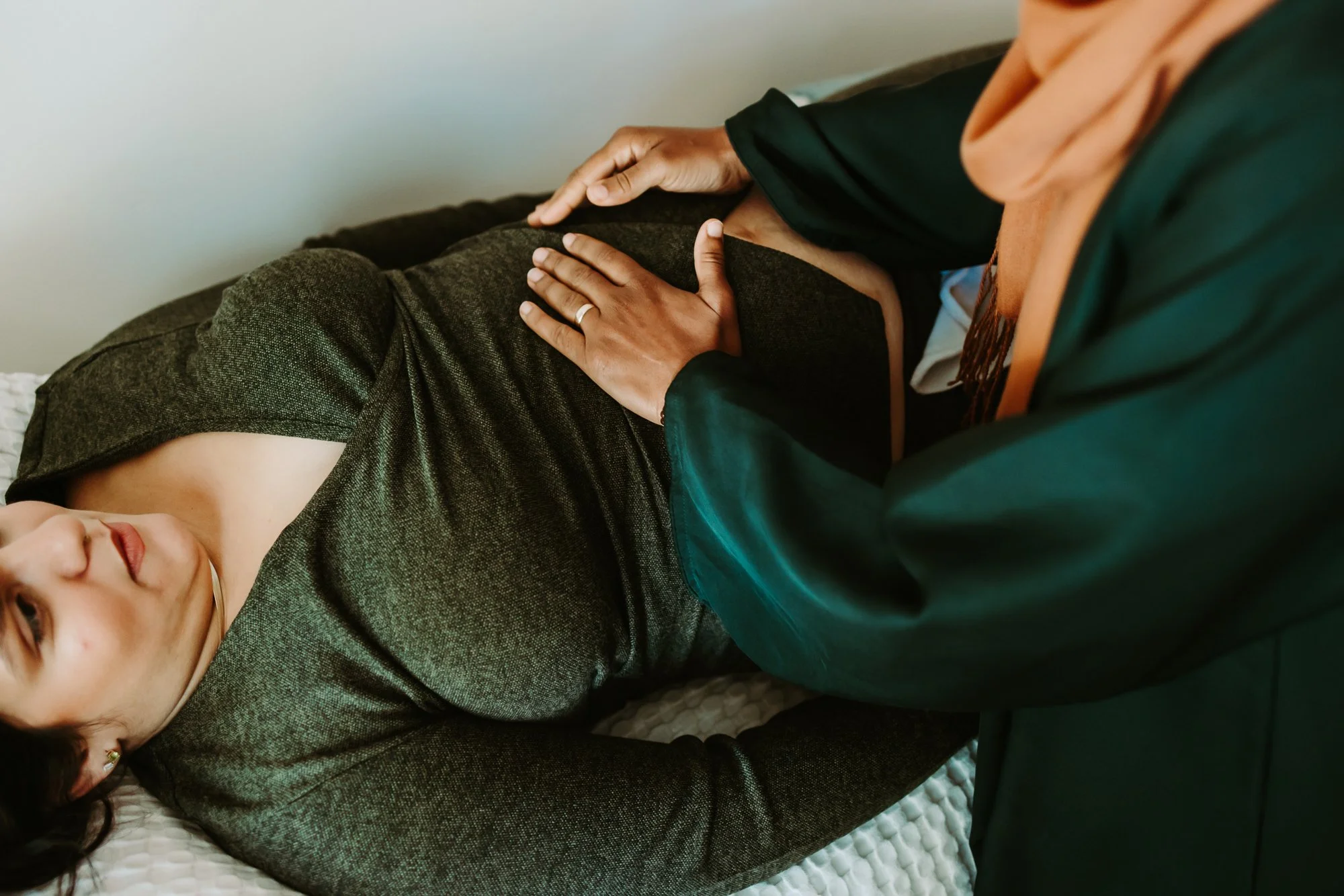
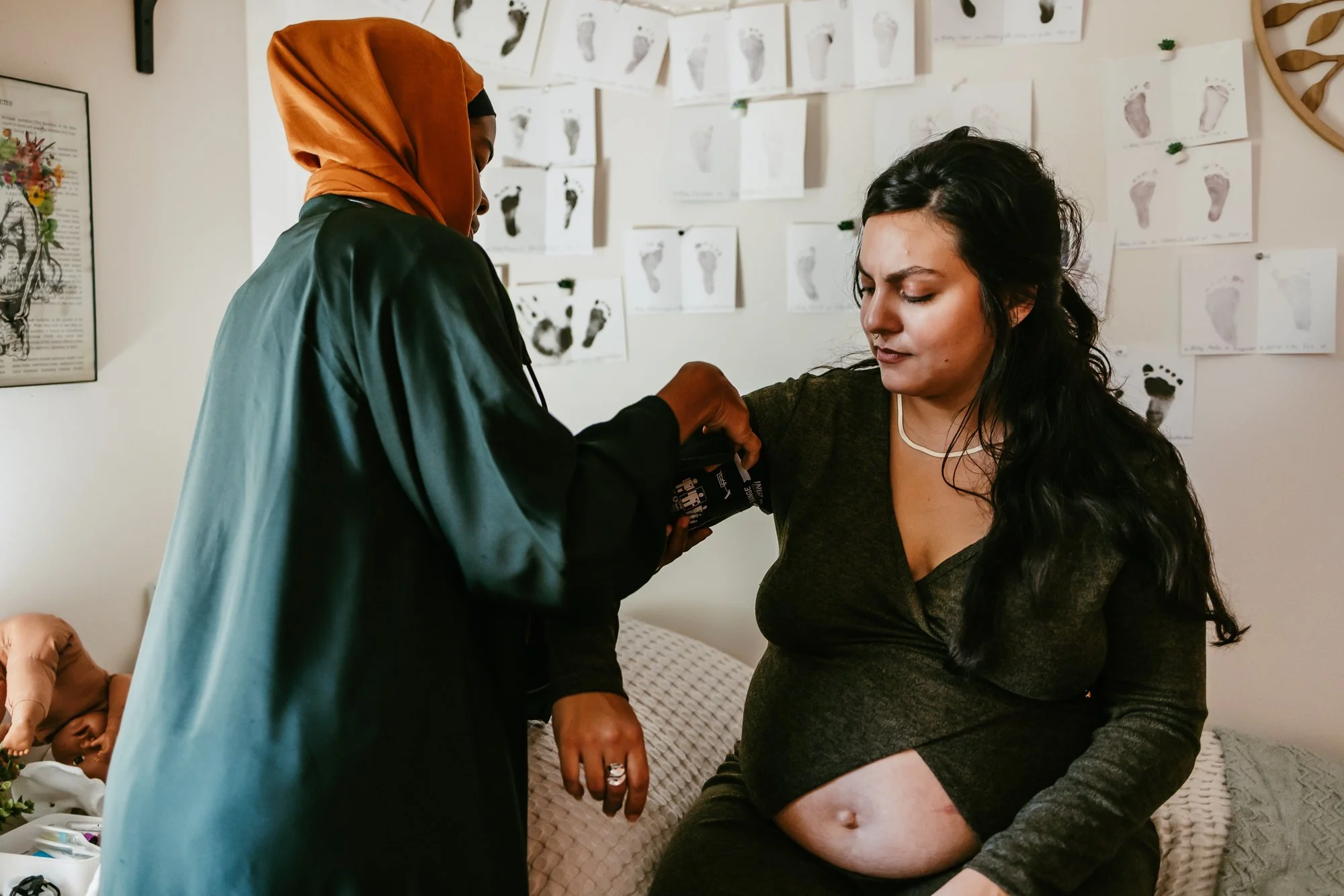
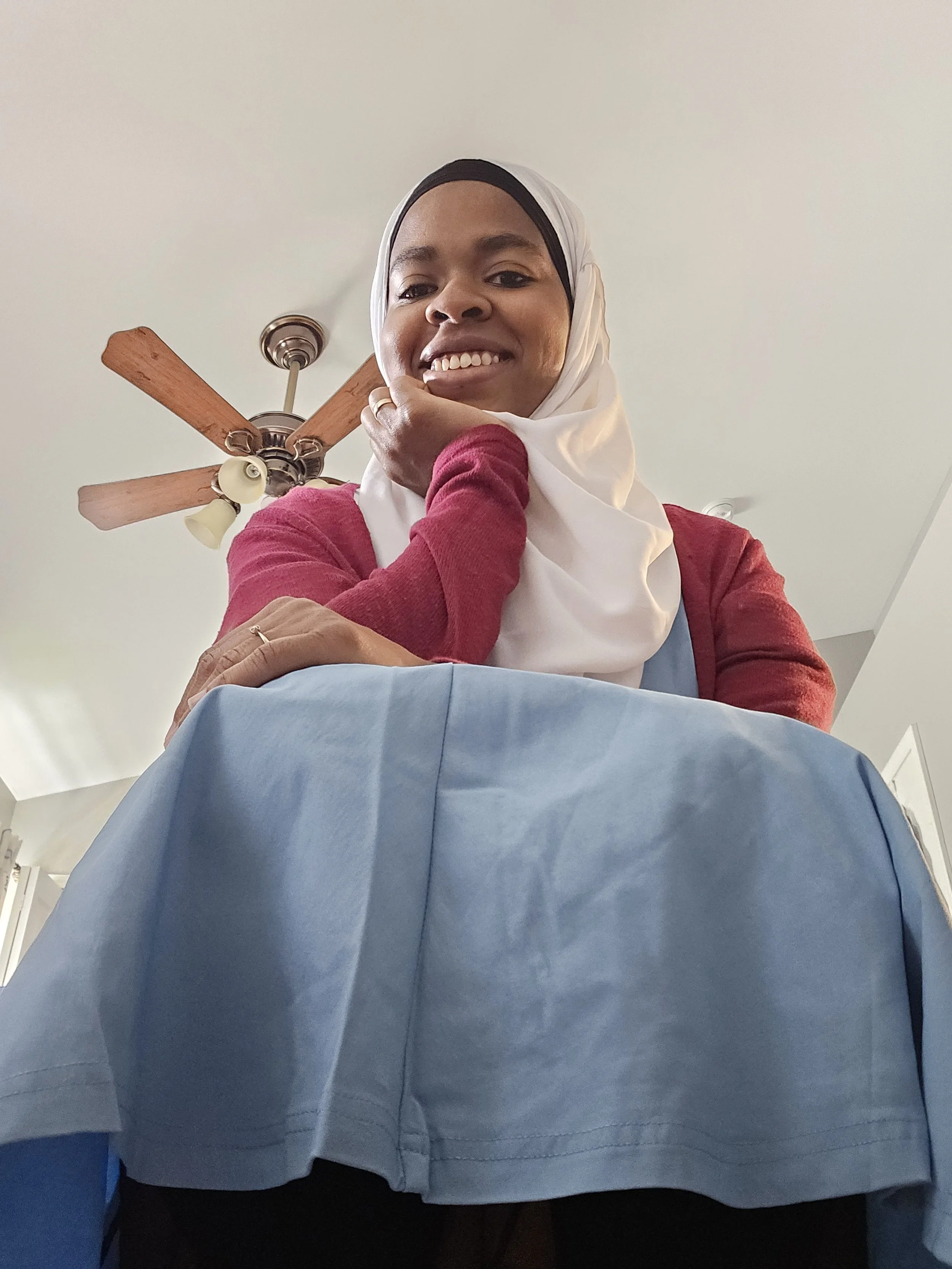
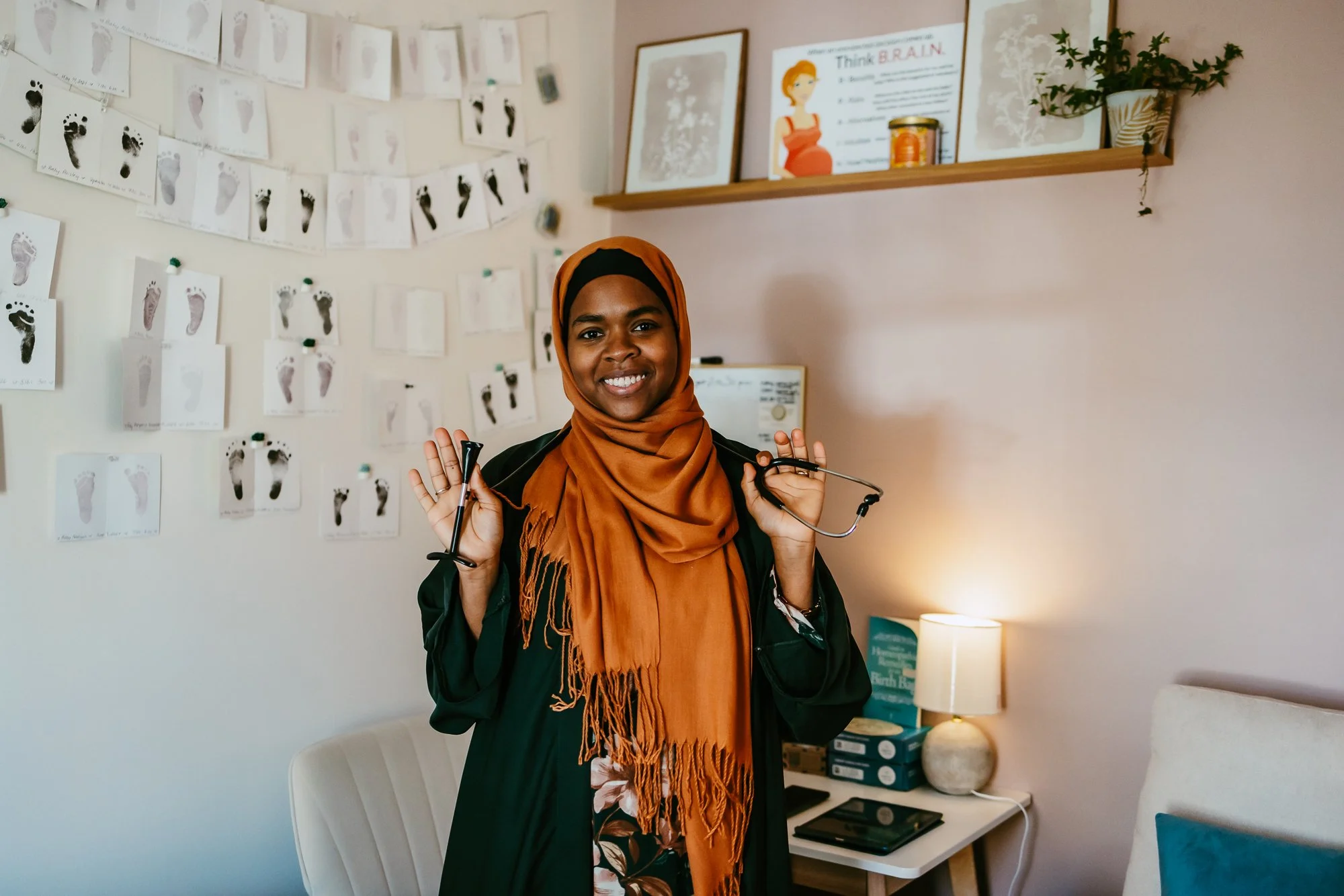
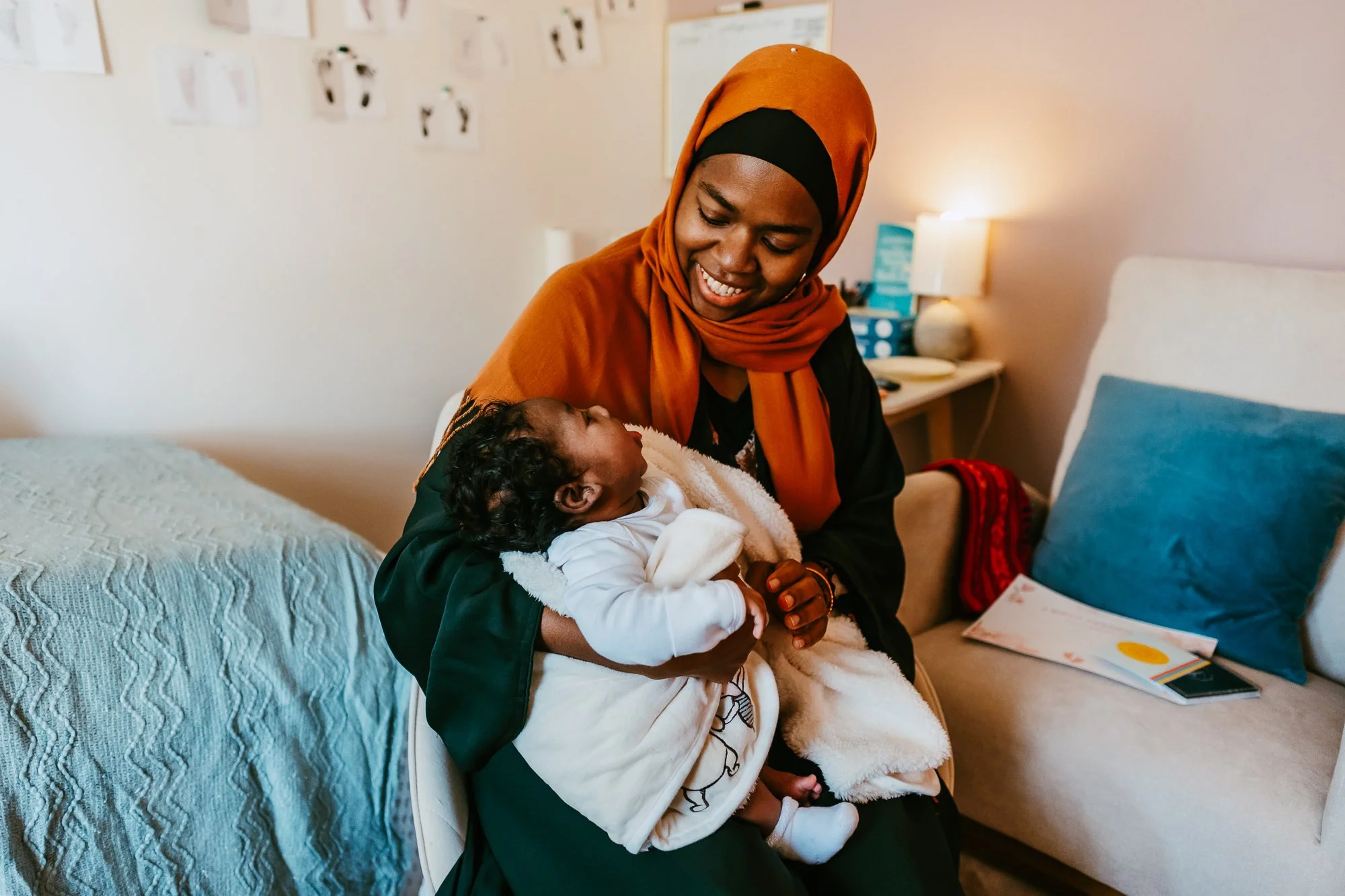
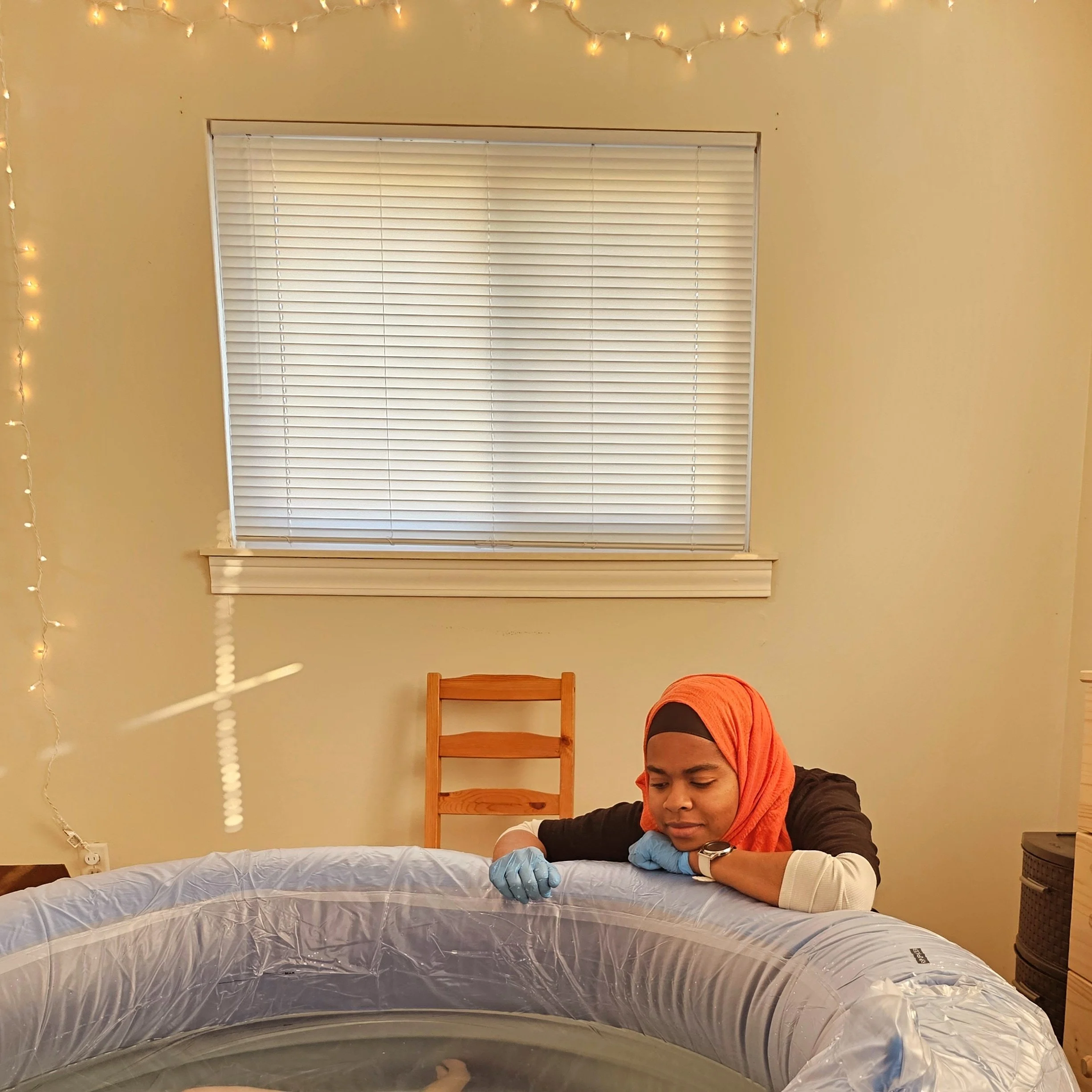
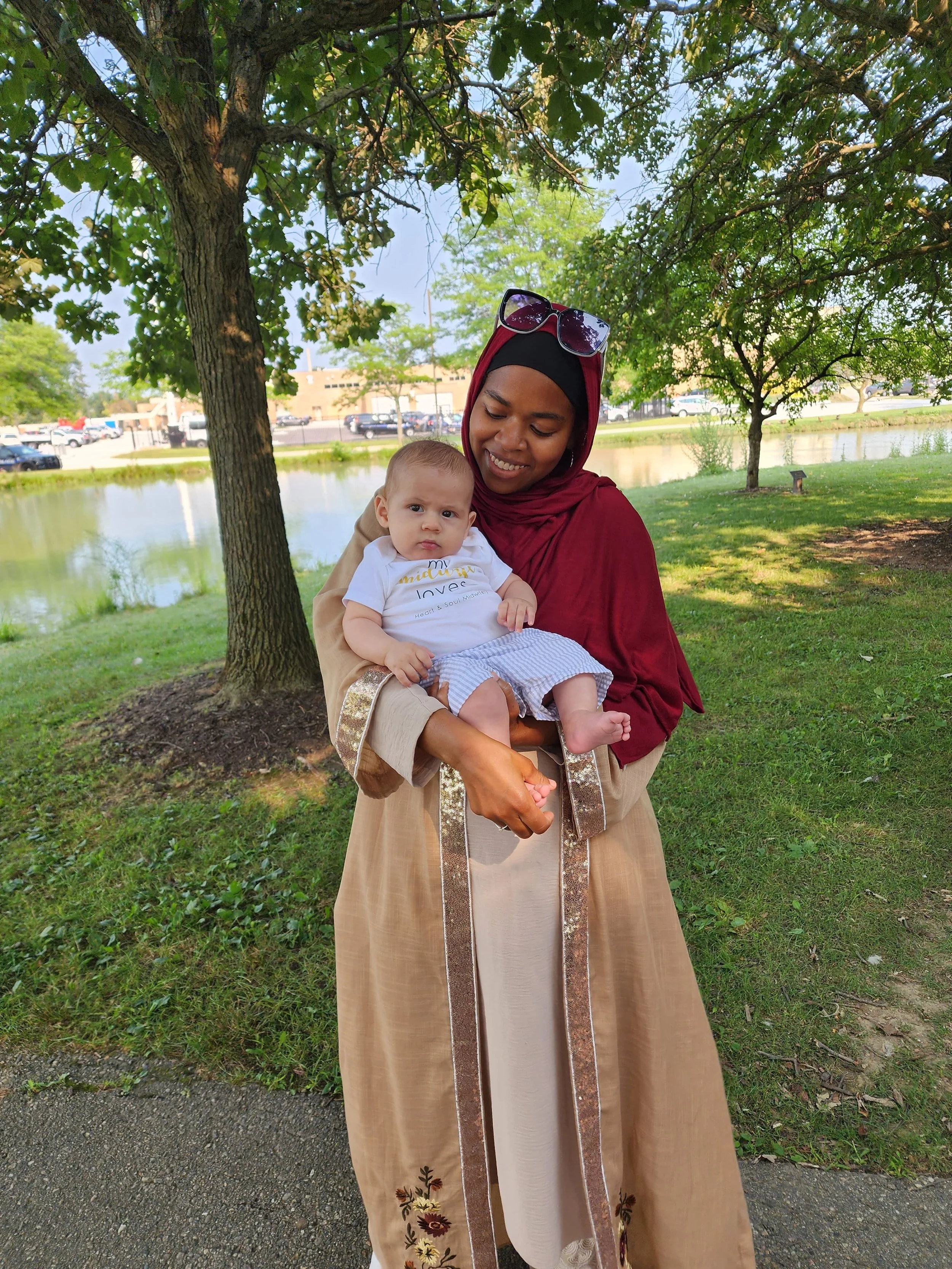
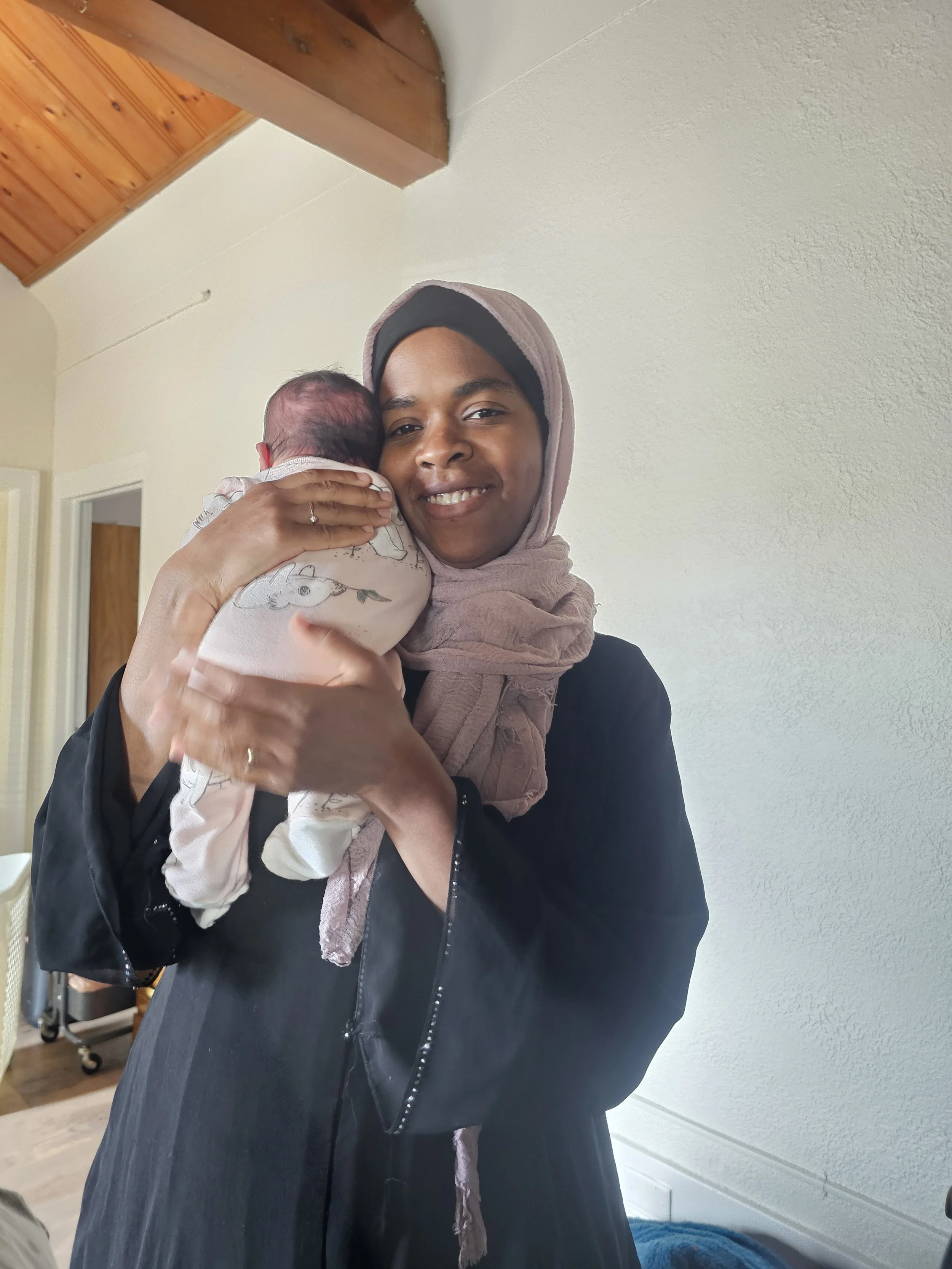
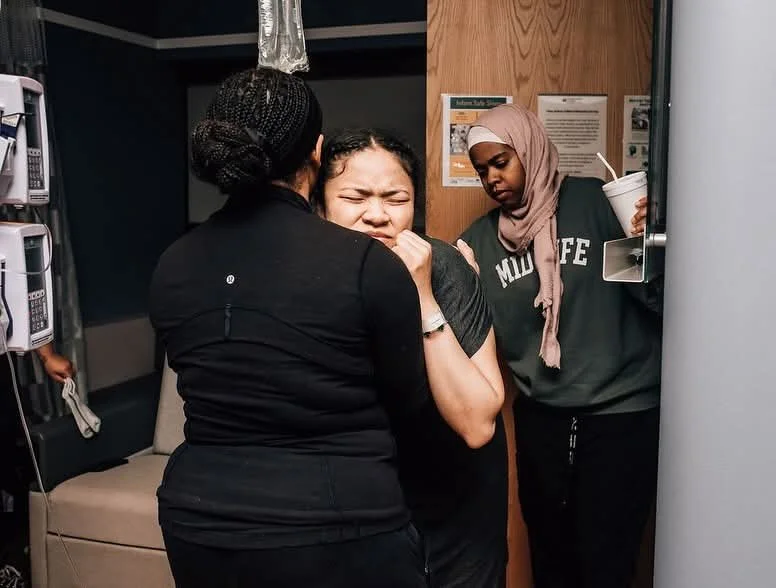
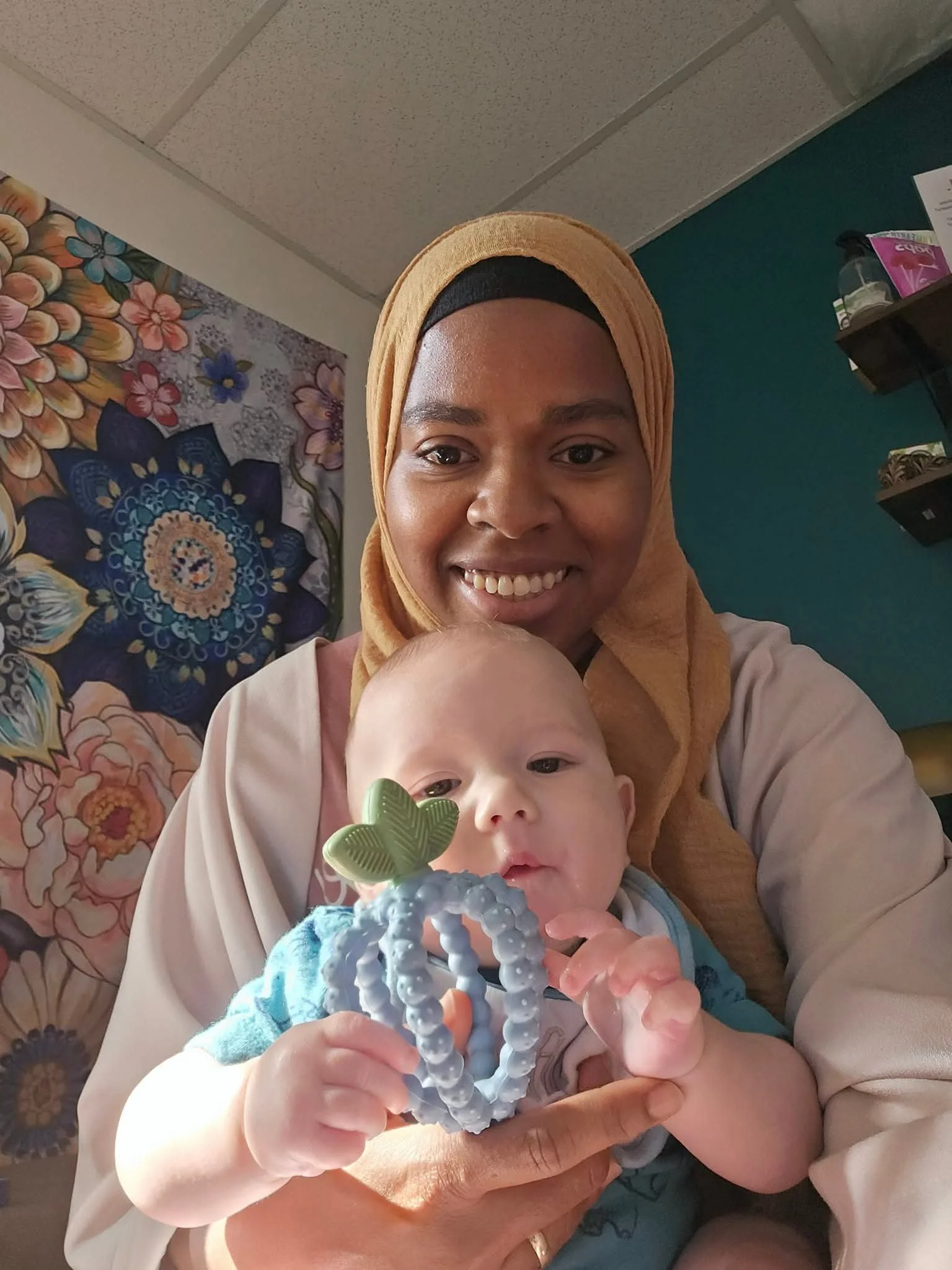
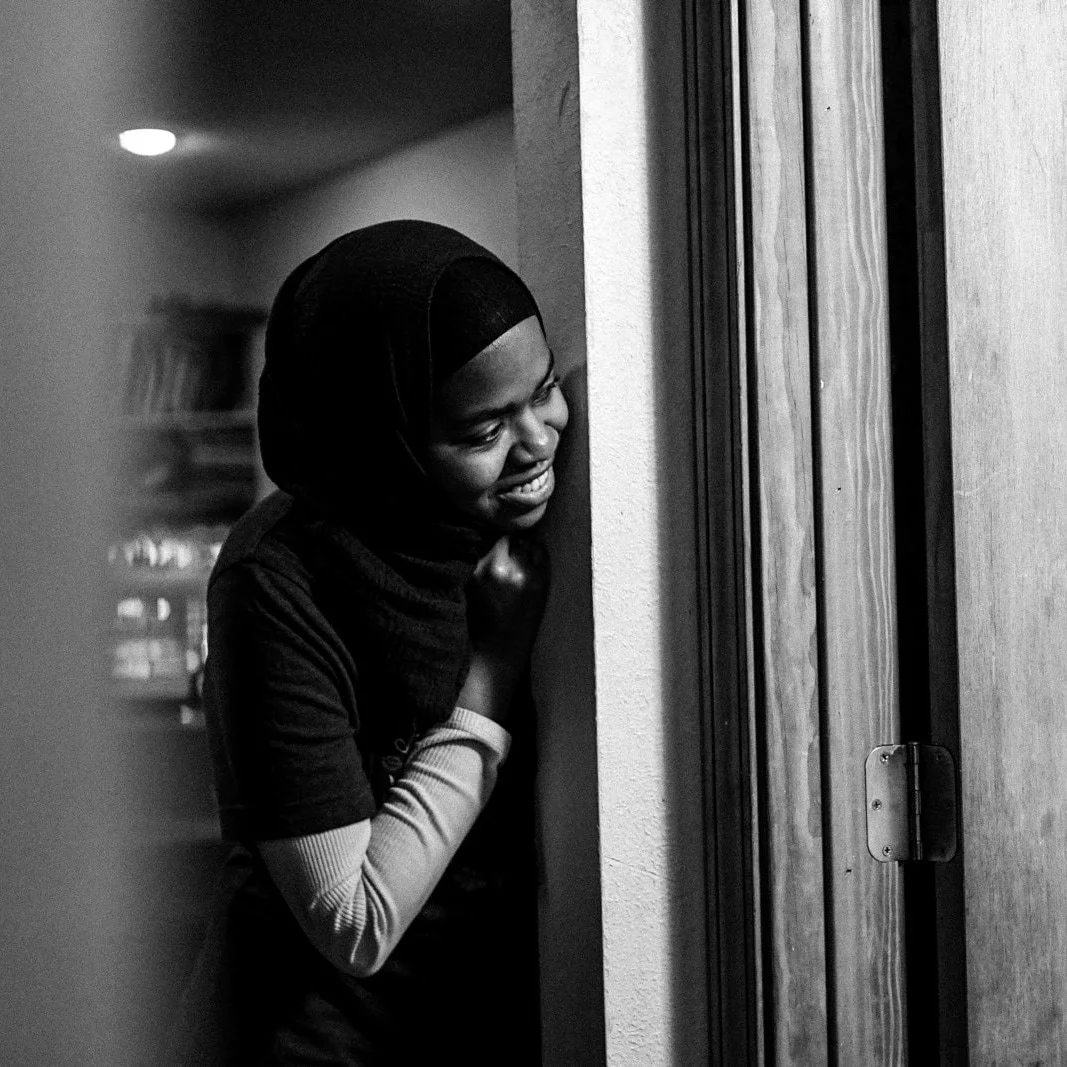
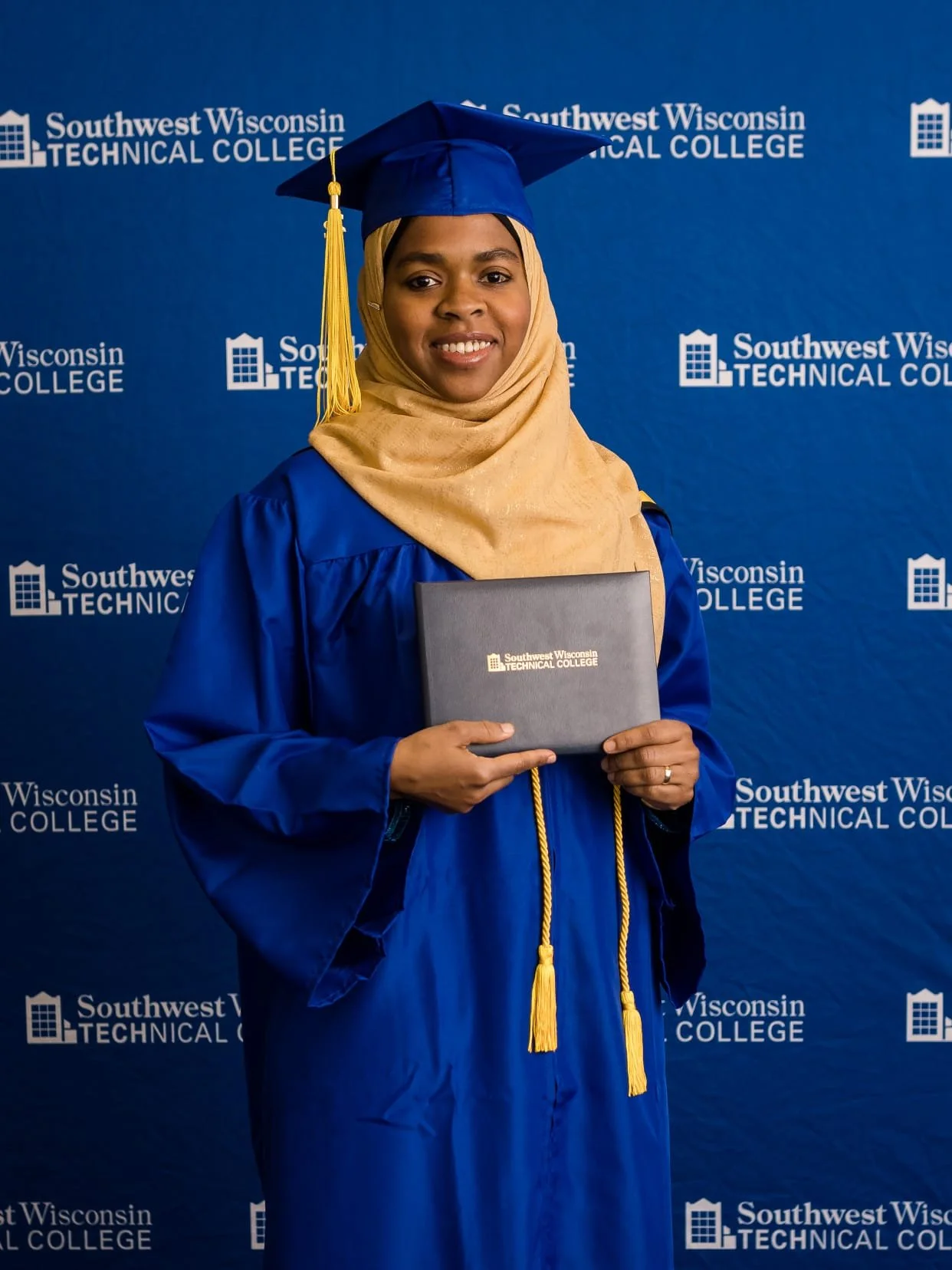
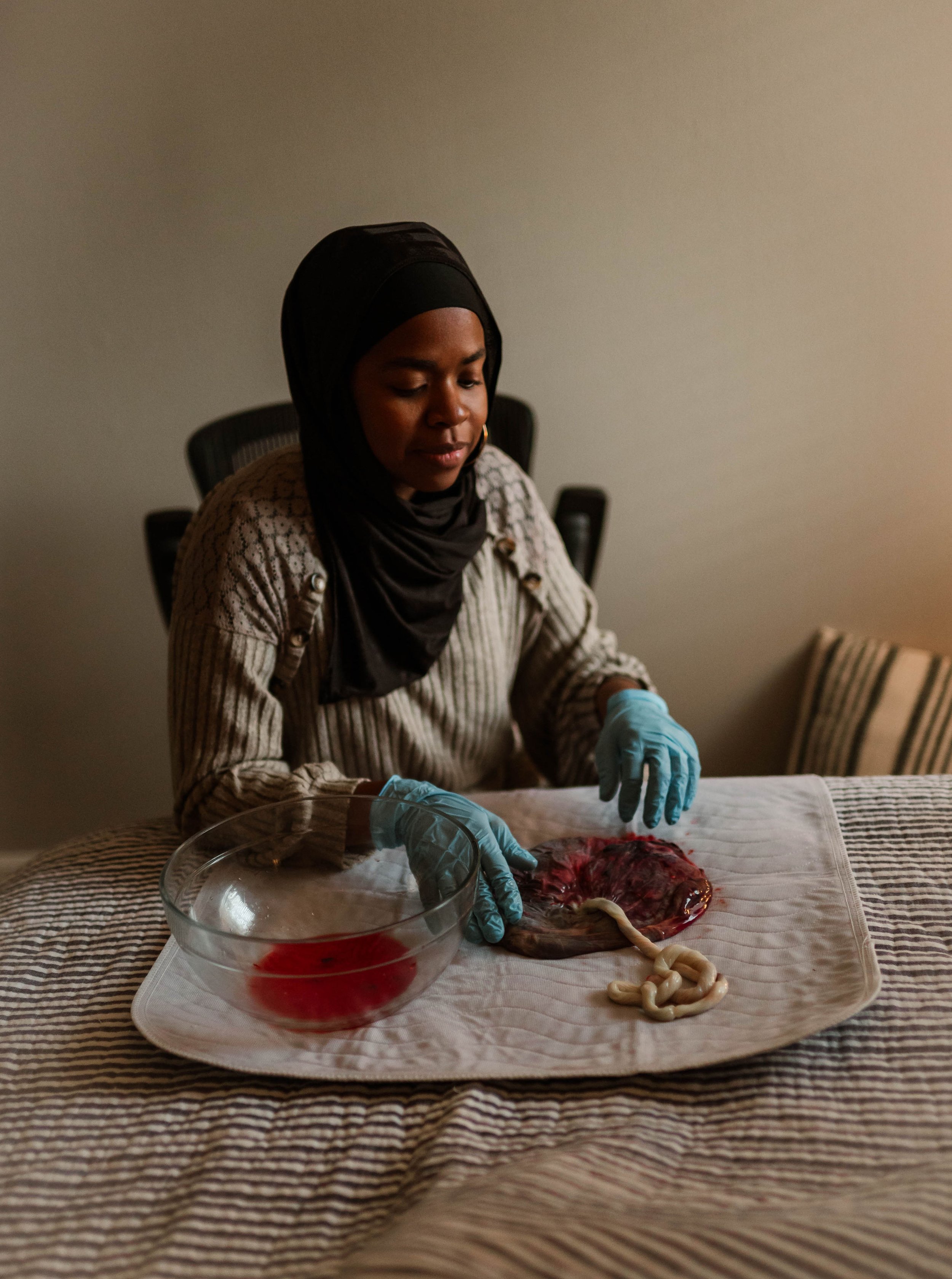
Khadijah is a licensed Certified Professional Midwife in the state of Michigan. She received her midwifery education from both the Midwives College of Utah and Southwest Wisconsin Technical College. She holds an Associate's Degree in Science of Midwifery.
Her journey began in the Kingdom of Saudi Arabia where she became a doula and childbirth educator in 2012, attending dozens of births and raising childbirth education awareness to hundreds of women. She was heavily active in the reform for birth change and an activist for the local community.
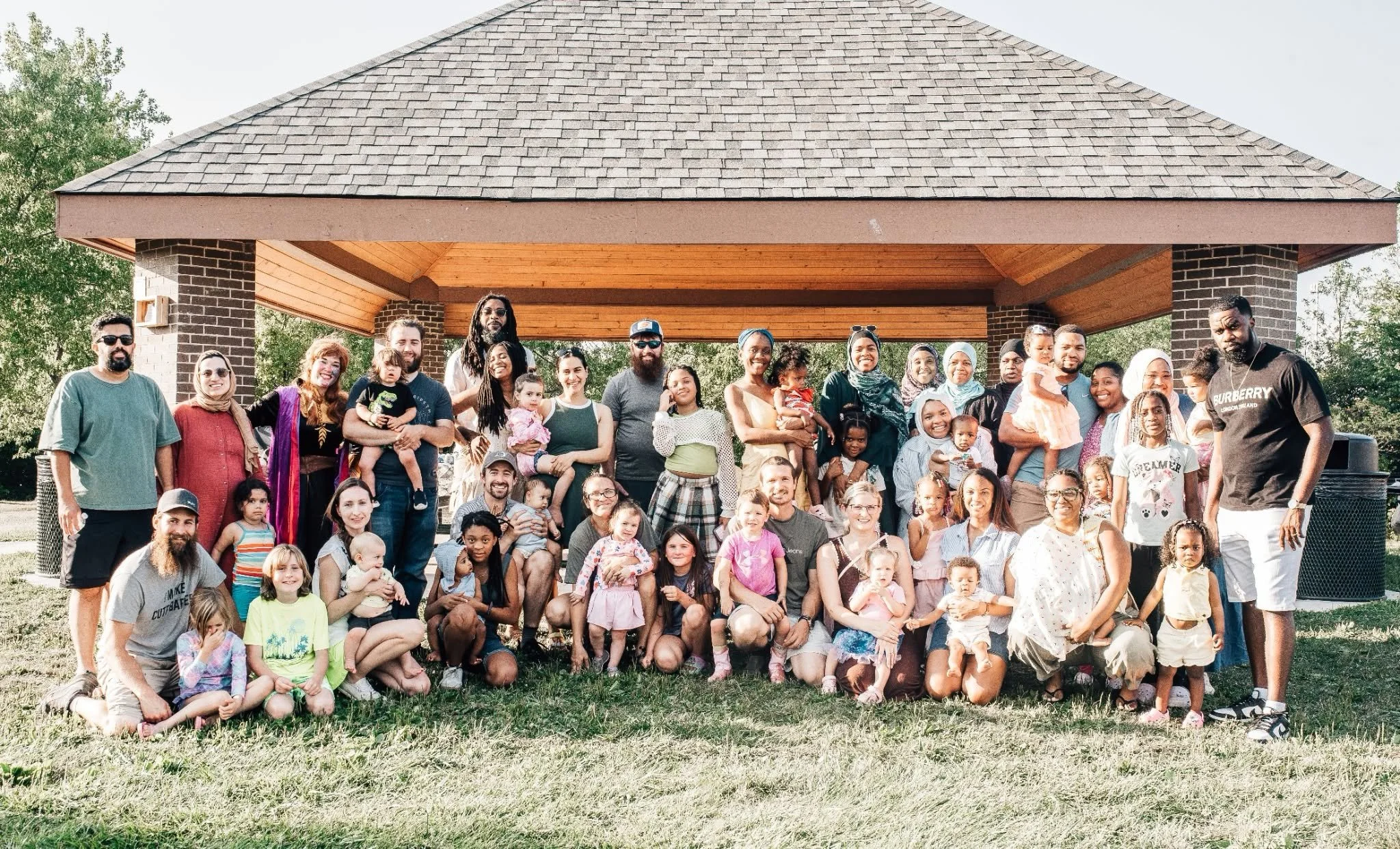
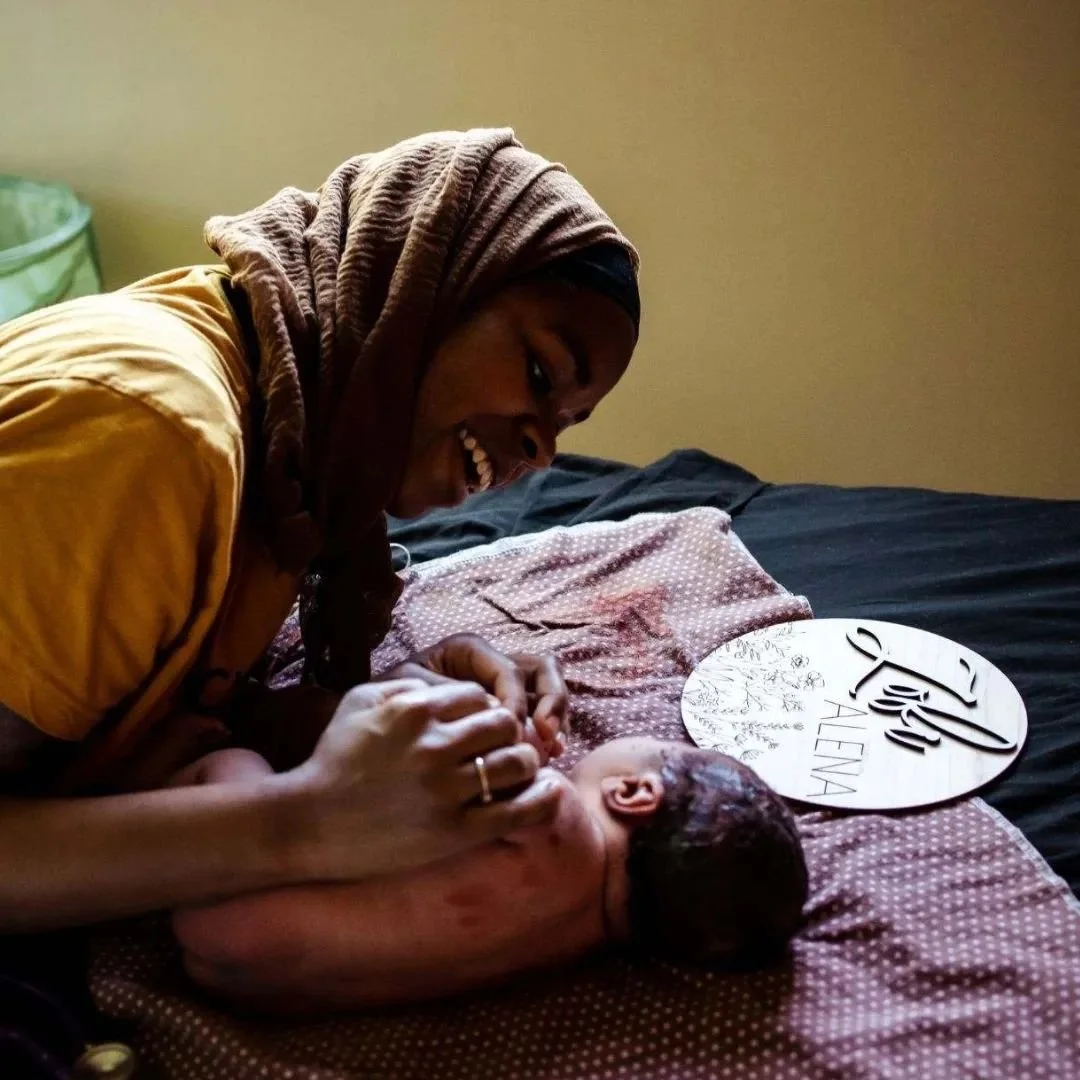
Khadijah is very passionate about advocating for women's rights, the rights to equitable and respectful care, and raising awareness about the importance of postpartum care. One of her favorite sayings are "It takes a village to raise a child, but a community of love and support to raise a mother."
She has many projects in the works to provide affordable and easy access care to underserved communities, especially for the Black, Indigenous, and Arab communities.
She has attended and presented at many conferences and workshops and has had the pleasure of meeting and learning from some of the most legendary birth activists in the country.
She now resides in Southeast Michigan with her husband and five children.
"My goal is to make midwifery care affordable to all families and to raise awareness about childbirth education and birth choices. I want to make sure all mothers have access to midwifery care, childbirth education, labor support, and postpartum support. I want all mothers to embrace their pregnancies and births with confidence, to make well-informed choices, and to stand up for their rights. All mothers deserve to have personalized continuity of care during their pregnancies, labor, and births, just as babies deserve a gentle start in life." - Khadijah, LCPM, LM
Credentials
-
Certified Professional Midwife, LM
2022
Southwest Wisconsin Technical College
-
Phlebotomist
2022
Heart to Heart Healthcare Training
-
Perinatal Mental Health Certification (PMH-C)
2022- Present
Postpartum Support International
-
Breech without Borders Training
2021-2024
-
Doula & Childbirth Educator
2012- Present
AMANI Birth
-
CPR/BLS & NRP certified
2022- Present
American Red Cross*Required renewal is every two years.
-
Languages
English and Arabic
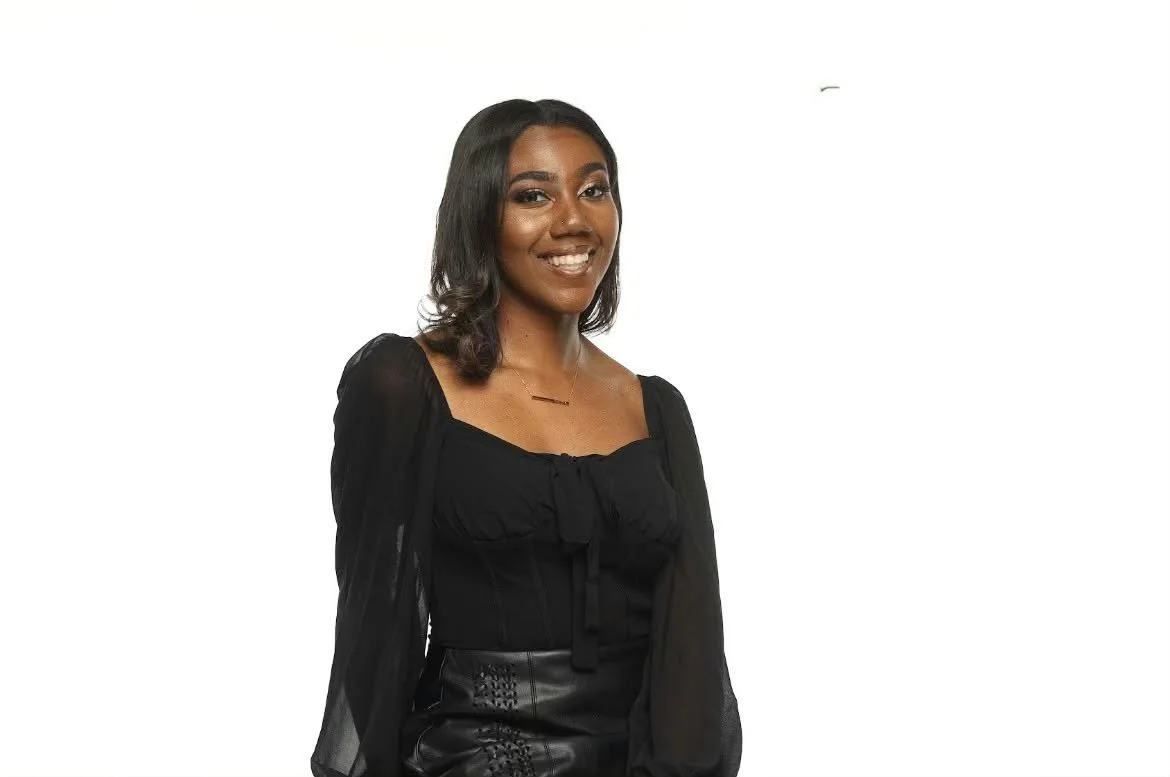
Lazarie Mitchell, Student Midwife
“As a student midwife, I am passionate about educating women of their birth options and empowering them to make informed decisions about their care.
My approach is rooted in gentleness, nurturing support, and a commitment to helping women feel heard, respected, and confident throughout their birth experiences. I look forward to continuing to grow in my skills as I work toward becoming a midwife who serves women and families with compassion and evidence-based informed care.”
Student Midwife,
Lazarie
Mitchell

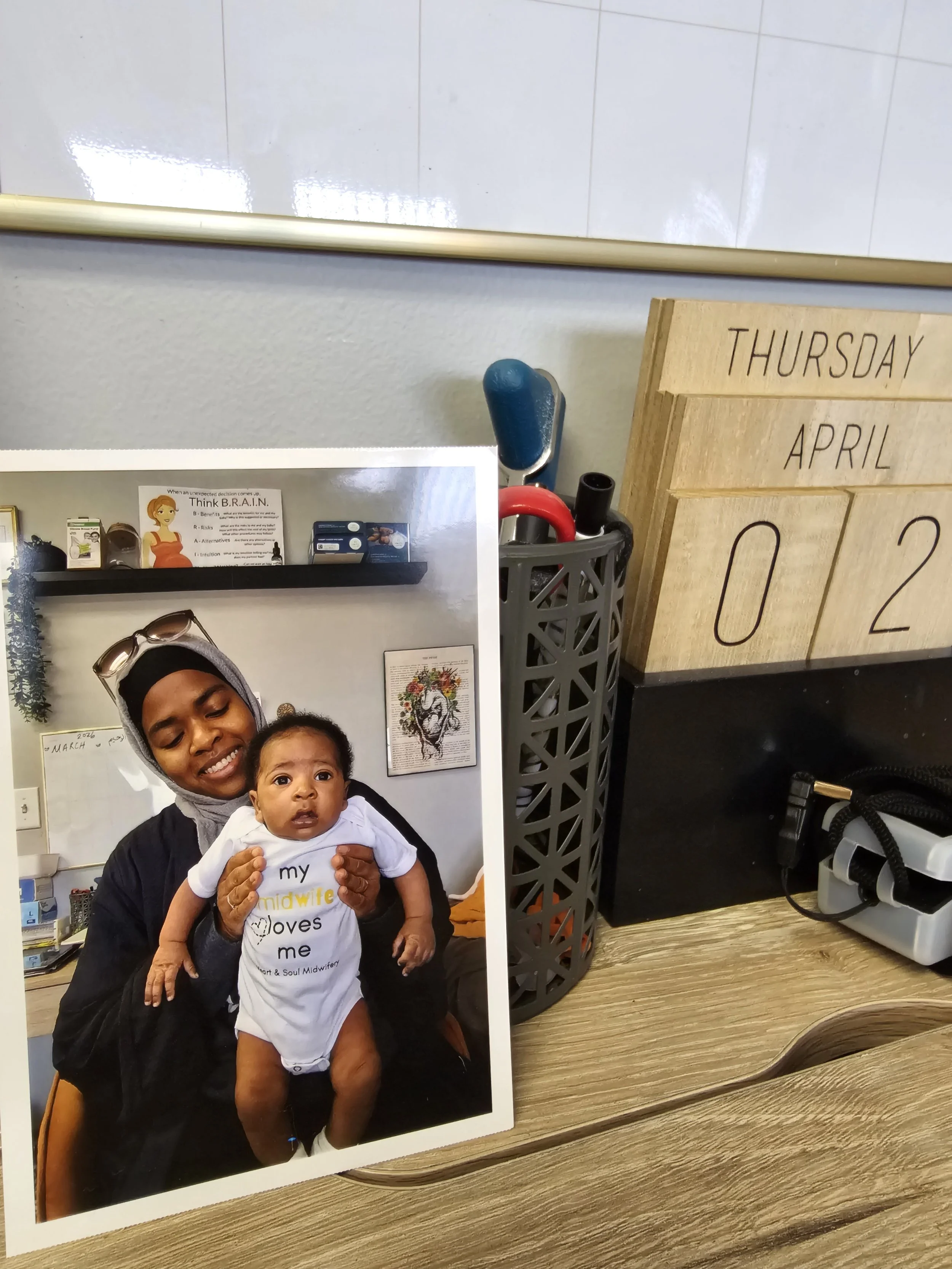
"She’s gentle, she’s honest, loving, extremely knowledgeable, and she truly puts her heart and soul into this journey."
✳︎
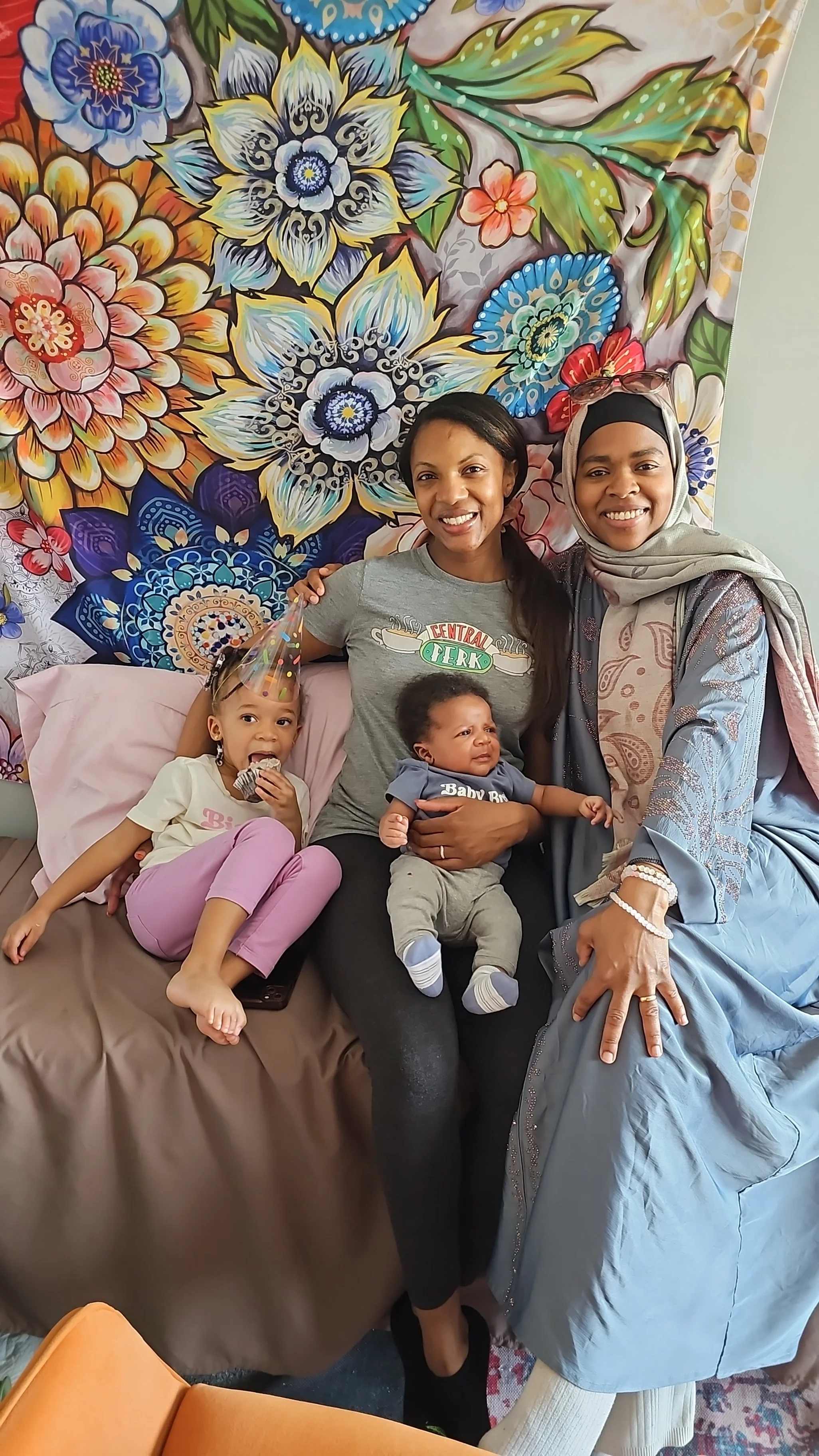
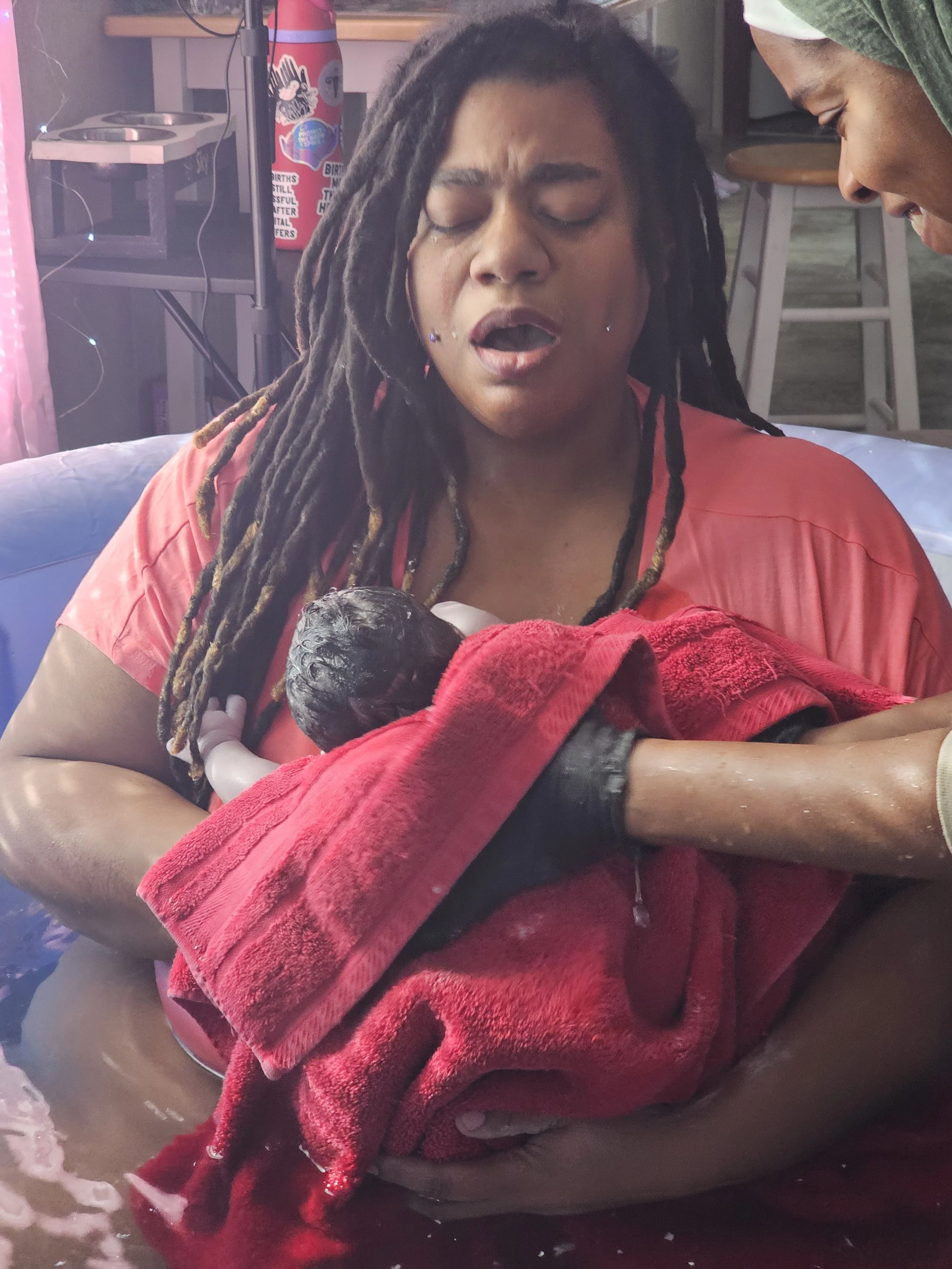
Khadijah was amazing. Had an amazing birth experience. She respected my boundaries and shared such amazing resources and knowledge that I know I will carry forever.
✳︎
Khadijah and Lazarie were absolutely wonderful!
"She’s gentle, she’s honest, loving, extremely knowledgeable, and she truly puts her heart and soul into this journey." ✳︎ Khadijah was amazing. Had an amazing birth experience. She respected my boundaries and shared such amazing resources and knowledge that I know I will carry forever. ✳︎ Khadijah and Lazarie were absolutely wonderful!
You deserve to feel seen, heard, and supported.
Your care should reflect your needs, your values, and your vision for birth. You deserve a provider who takes the time to listen, welcomes your questions, and respects your role in making decisions about your care.
-
What is a midwife?
A midwife is an experienced health professional trained to care for women during the childbearing year. Midwives care for women before, during, and after pregnancy. Midwives care for mother and baby as one unit.
-
What training do midwives have?
There are different paths to becoming a midwife. Most midwives in the US either undergo an extensive, educational program through an accredited institution or through an apprenticeship that trains them to provide prenatal, postpartum, newborn, and well women care, to low risk women both in the in-hospital and out of hospital setting.
FINAL-ComparisonChart-Oct2017.pdf (midwife.org)
-
What is the difference between a doula and a midwife?
Doulas are not medical professionals, whilst midwives are. Doulas are educated about birth, but midwives are educated and experienced health professionals, and usually hold a degree in midwifery.
-
What does midwifery care look like?
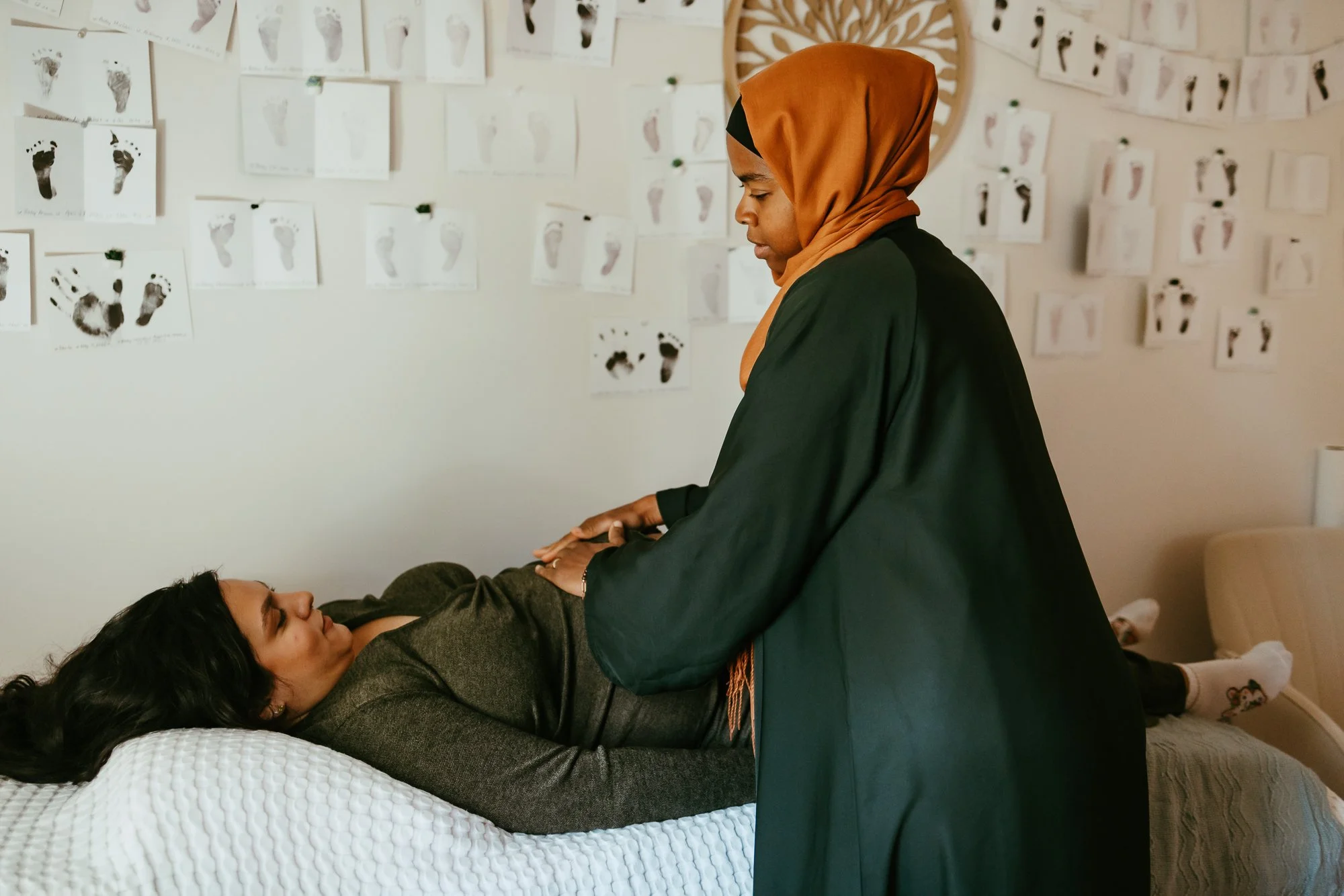
Continuity of care is a very crucial component of midwifery. Midwives aim to create trusting relationships with the families they care for and follow them throughout their entire pregnancy, birth, and postpartum period.
Each visit lasts about an hour where we make sure that all concerns are addressed, and all questions are answered. Informed care and decision making is important to us.
Midwives care for low-risk women. Anything that is not within our scope of practice, we refer and consult for additional care so that you and your baby are healthy and safe.
-
What equipment and medications do midwives bring to the birth?
Midwives are equipped with all the tools needed to manage complications that arise during the birth or postpartum period.
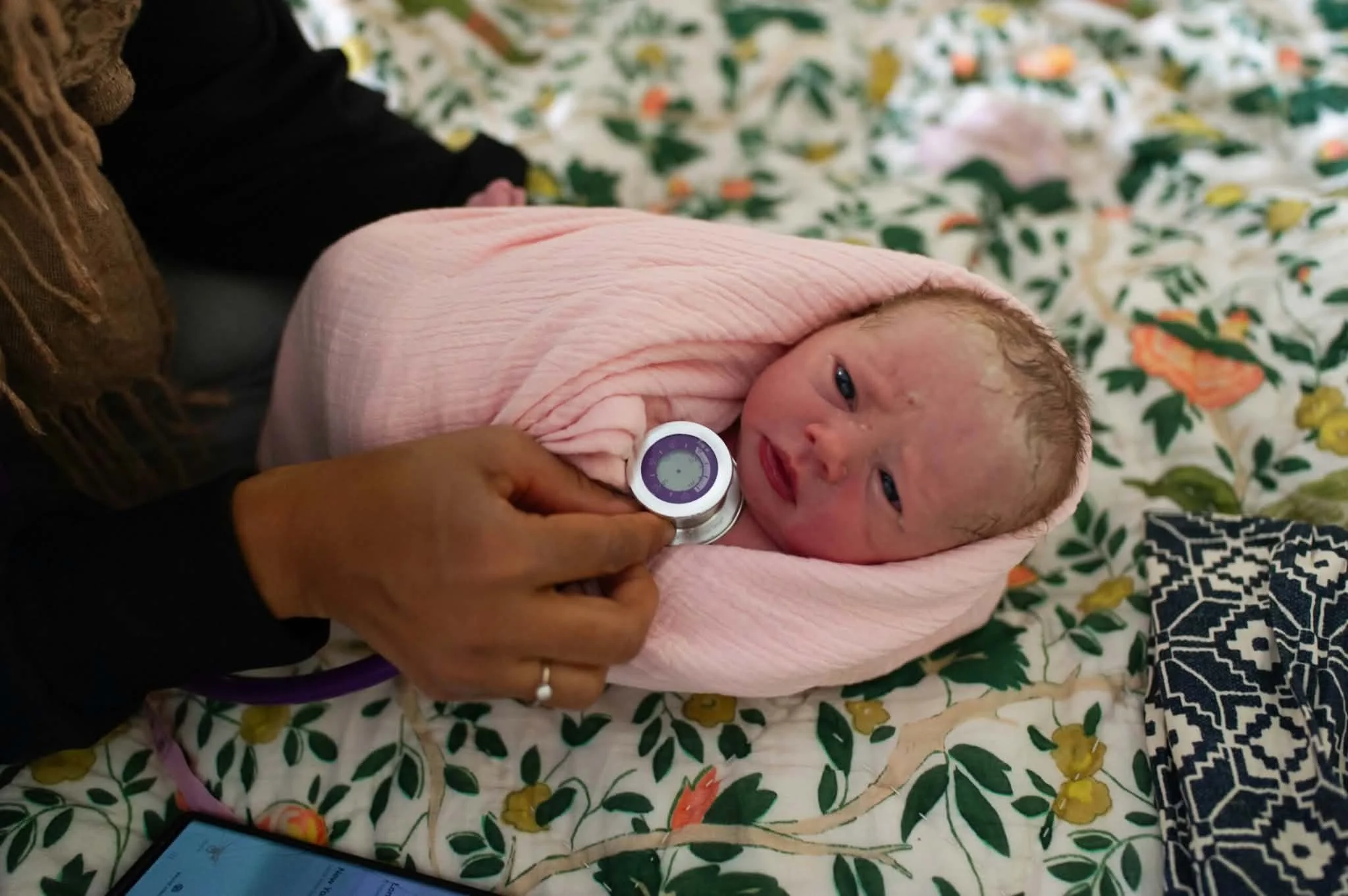
We carry anti-hemorrhagic medications and herbs, oxygen, sterile instruments for suturing and other sterile procedures, Vitamin K, Erythromycin, and blood collecting materials.
-
Do I need to take childbirth classes?
Whether you decide to take childbirth classes is up to you. However, it is recommended that all mothers take the step towards getting to know their bodies, to know what to expect, to ensure that she is well prepared and makes the best decisions for her and baby. Taking classes will provide mother with the knowledge and confidence she needs to ensure her baby has the best start in life.